info@gdaddtech.cn
+86-18566873215



The evolution of glass processing machinery has led to the development of both manual glass machines and automatic glass machines. Each type offers distinct advantages and challenges depending on the specific needs of a glass processing operation. This article explores the key differences between these two types of machines, helping businesses choose the right equipment for their production goals.
A manual glass machine requires more direct human involvement to operate. Operators must manually adjust settings, load the glass, and often oversee each step of the process. This setup is commonly used in small-scale operations or for custom, low-volume glass work. The semi automatic machine falls somewhere between manual and fully automated systems, requiring some manual intervention but automating parts of the process.
Advantages of manual machines include lower upfront costs and greater flexibility for custom jobs. However, they can also lead to manual errors and slower production times due to the reliance on human precision. Additionally, they often require more labor and attention to ensure smooth operation, which can result in production inefficiencies.
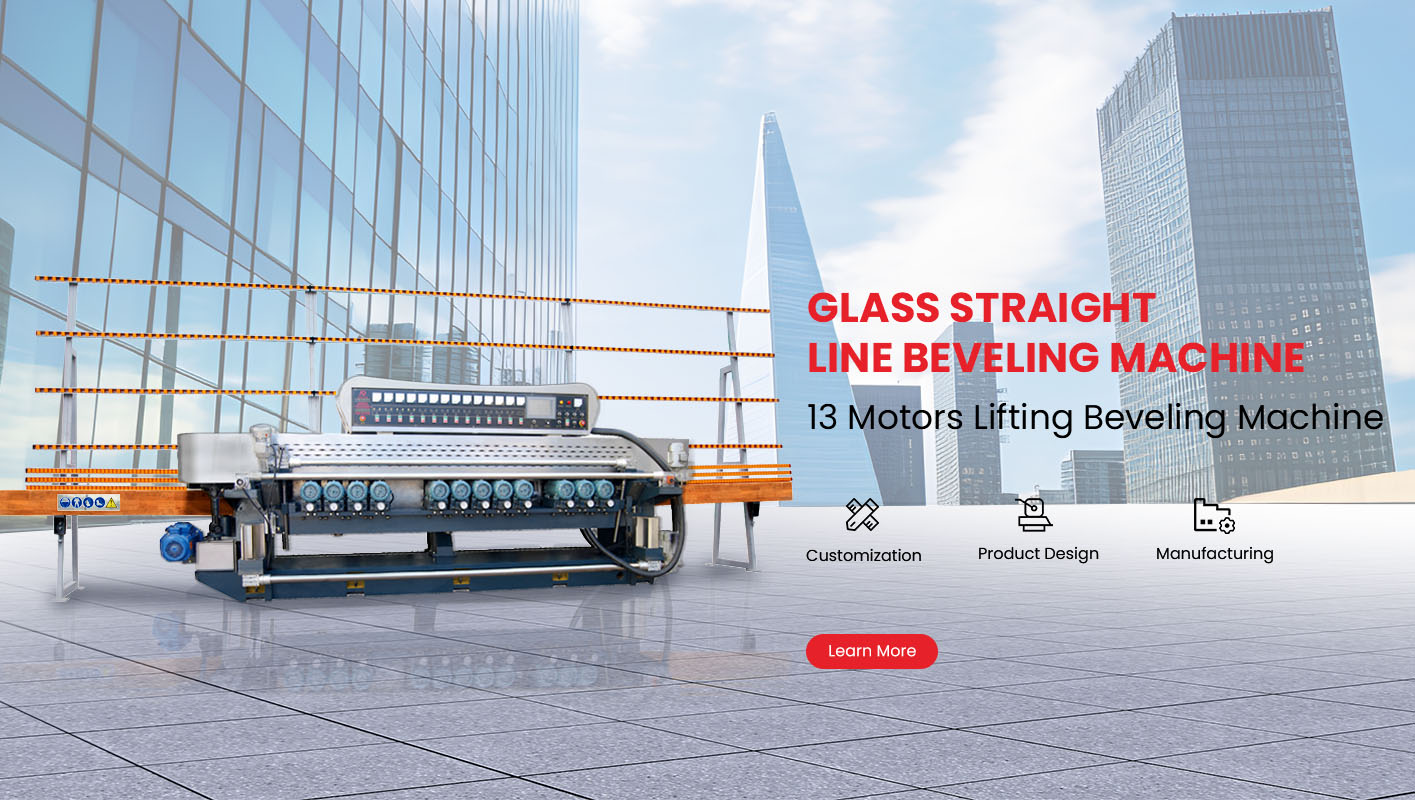
An automatic glass machine, on the other hand, is designed to handle most tasks without direct human involvement. These machines are often equipped with advanced sensors, programmable controls, and robotics to perform tasks such as cutting, beveling, and polishing with minimal human intervention. The Automatic 11 Motors Beveling Machine is a prime example of such technology, offering precise control over the beveling process with minimal operator oversight.
The main advantages of an automatic machine are speed, consistency, and precision. These machines can operate continuously with fewer interruptions, leading to higher productivity. They also reduce the likelihood of errors, which are common in manual operations. With an automatic system, glass processing is more efficient, and workers can focus on other critical aspects of production.
When comparing a manual vs automatic glass machine, several factors come into play. Here's a quick breakdown:
| Feature | Manual Glass Machine | Automatic Glass Machine |
|---|---|---|
| Cost | Lower initial cost | Higher initial cost |
| Labor Requirement | High | Low |
| Speed | Slower | Faster |
| Precision | Variable | High |
| Customization | Flexible | Limited to programming |
| Production Volume | Low | High |
As the table shows, automatic glass machines tend to be faster and more precise, making them ideal for high-volume production. Manual machines, however, can be more suitable for custom or smaller-scale jobs where flexibility is needed.
While automatic glass machines offer significant advantages in terms of speed and precision, there are still situations where manual machines may be preferable. Smaller businesses or those that specialize in custom glass products might find that manual machines offer the flexibility they need at a lower cost. Additionally, manual machines can be a good option for operations that do not require large-scale, continuous production.
For businesses that need a middle ground, semi automatic machines offer a solution that combines some of the benefits of both manual and automatic machines. These machines automate certain aspects of the process, such as cutting or edging, but still require operator input for other stages. This allows businesses to balance efficiency with flexibility.
Choosing between a manual glass machine and an automatic glass machine depends on the needs of the business. Manual machines offer flexibility and lower initial investment, but can be slower and prone to errors. On the other hand, automatic glass machines like the Automatic 11 motors beveling machine provide speed, precision, and minimal labor, making them ideal for large-scale operations. Understanding the unique advantages and limitations of each system can help businesses make the right choice for their glass processing needs.