info@gdaddtech.cn
+86-18566873215



Supplier selection has a direct impact on production stability, product quality, and long-term cost control. In the global glass machinery industry, equipment is not only a capital investment but also a foundation for process consistency and delivery reliability. A mismatch between machine capability and factory requirements can lead to frequent downtime, inconsistent output, and higher maintenance expenses. Choosing the right partner is therefore a strategic decision rather than a simple procurement step.
A qualified glass machine supplier should demonstrate real manufacturing strength instead of relying only on product listings. Buyers should evaluate whether the supplier has in-house production facilities, engineering teams, and testing capabilities. An experienced industrial machine manufacturer typically controls key components such as frame fabrication, control systems, and assembly processes, ensuring consistent machine quality.
Factory visits or detailed production documentation can reveal whether the supplier maintains standardized workflows, quality checkpoints, and technical validation procedures. Suppliers with structured manufacturing systems are more likely to deliver stable equipment across multiple orders.
A reliable supplier should not only provide one type of machine but also cover multiple categories within glass processing. This indicates a deeper understanding of production workflows and equipment integration.
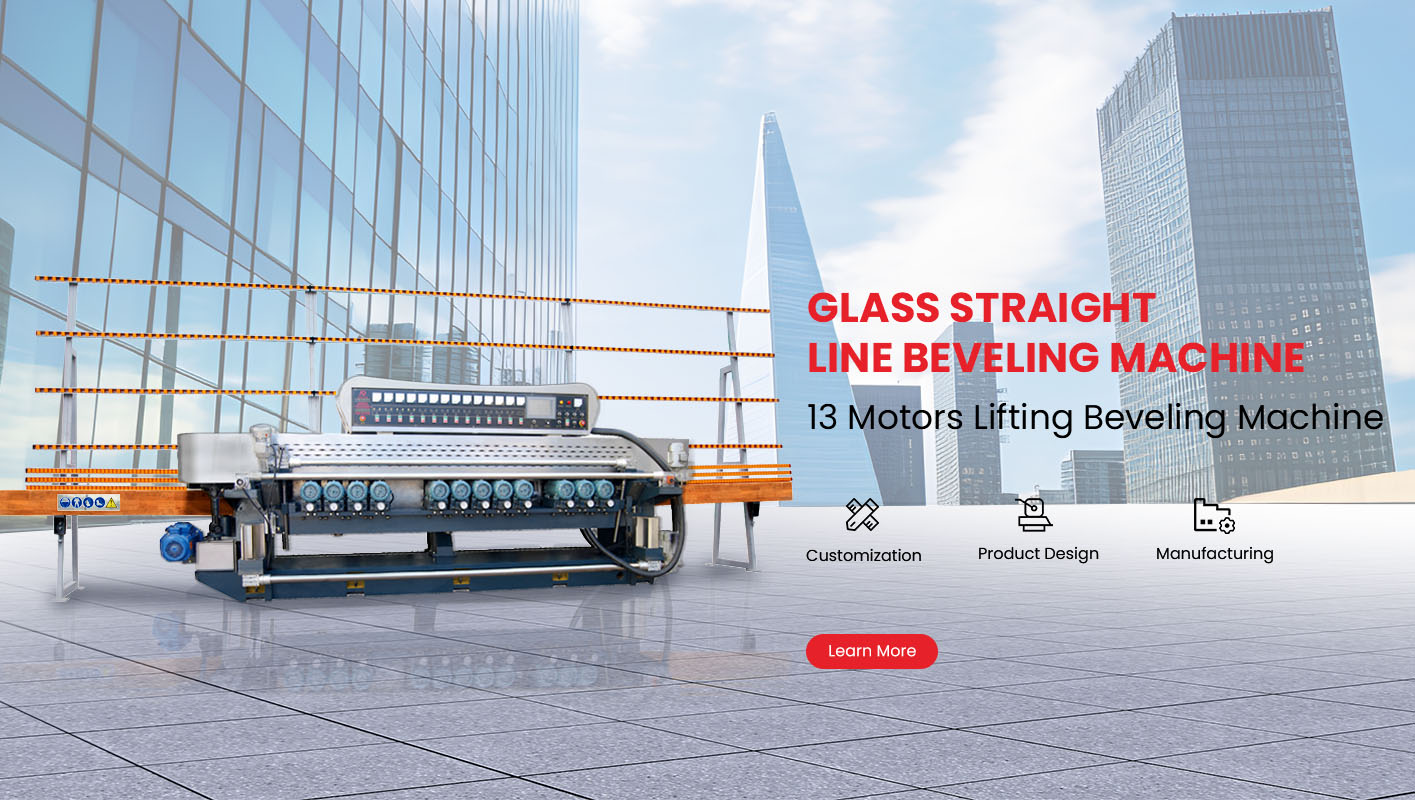
For example, a company that produces edging machines, drilling machines, washing systems, and a Glass Beveling Machine is more capable of aligning different processes within a production line. This reduces the risk of incompatibility between machines and improves overall efficiency.
When reviewing product range, buyers should also check whether the supplier offers customized solutions. Flexibility in machine configuration is often a sign of strong engineering capability.
Experience in real production environments is a key indicator when performing glass machinery factory selection. Suppliers should be able to provide references, application cases, or technical examples showing how their machines perform under different conditions.
Important aspects to verify include:
Types of glass processed such as architectural, appliance, or laminated glass
Production scale supported by the equipment
Stability under continuous operation
Adaptability to different thicknesses and sizes
Suppliers with experience across multiple application scenarios are better prepared to handle complex requirements and reduce operational risks.
Machine performance should be evaluated through measurable indicators rather than general descriptions. Key technical factors include:
| Parameter | What to review | Why it matters |
|---|---|---|
| Processing accuracy | Positioning tolerance and repeatability | Ensures product consistency |
| Structural design | Frame rigidity and vibration control | Affects long-term stability |
| Control system | Automation level and interface usability | Improves efficiency and reduces errors |
| Component quality | Motors, guides, and electrical parts | Determines durability |
| Maintenance design | Accessibility of key parts | Reduces downtime |
A reliable glass machine supplier should be able to explain these parameters clearly and provide data-backed performance details.
Equipment performance is closely linked to after-sales support. Even well-designed machines require regular maintenance, spare parts replacement, and technical assistance.
A strong glass equipment supplier should offer:
Clear installation and training support
Fast response to technical issues
Availability of spare parts
Remote or on-site troubleshooting capability
Service response time can directly affect production continuity, especially in high-output factories. Suppliers with established support systems help reduce operational disruptions.
Modern glass processing relies on connected workflows rather than isolated machines. A supplier’s ability to integrate equipment into a complete line is an important advantage.
For example, edging, drilling, washing, and laminating processes must operate at compatible speeds and handling conditions. A supplier with system-level understanding can design machines that match line rhythm, reducing bottlenecks and improving throughput.
This integration capability is particularly important for factories planning to expand or upgrade production capacity.
Choosing a supplier is not a one-time transaction. It is a long-term partnership that affects future upgrades, product development, and operational stability.
Buyers should evaluate:
Whether the supplier invests in technology development
The consistency of product quality across different batches
The ability to support new production requirements
Communication efficiency and transparency
Suppliers with a clear development direction and stable production capability are more likely to support long-term growth.
ADDTECH positions itself as a manufacturer with integrated capabilities across multiple glass processing equipment categories. Its product range includes edging, drilling, washing, and beveling machines, allowing it to provide coordinated solutions rather than isolated equipment.
With a focus on precision engineering and stable performance, ADDTECH designs machines that support consistent output in demanding production environments. The company emphasizes manufacturing control, technical development, and practical application experience, which are essential factors when evaluating suppliers in the glass processing sector.
Selecting a supplier requires a balance between technical evaluation, manufacturing capability, and service support. A strong partner should combine engineering expertise with real production experience and reliable after-sales service.
When these elements are aligned, equipment investment becomes a driver of efficiency and quality rather than a source of operational risk.