


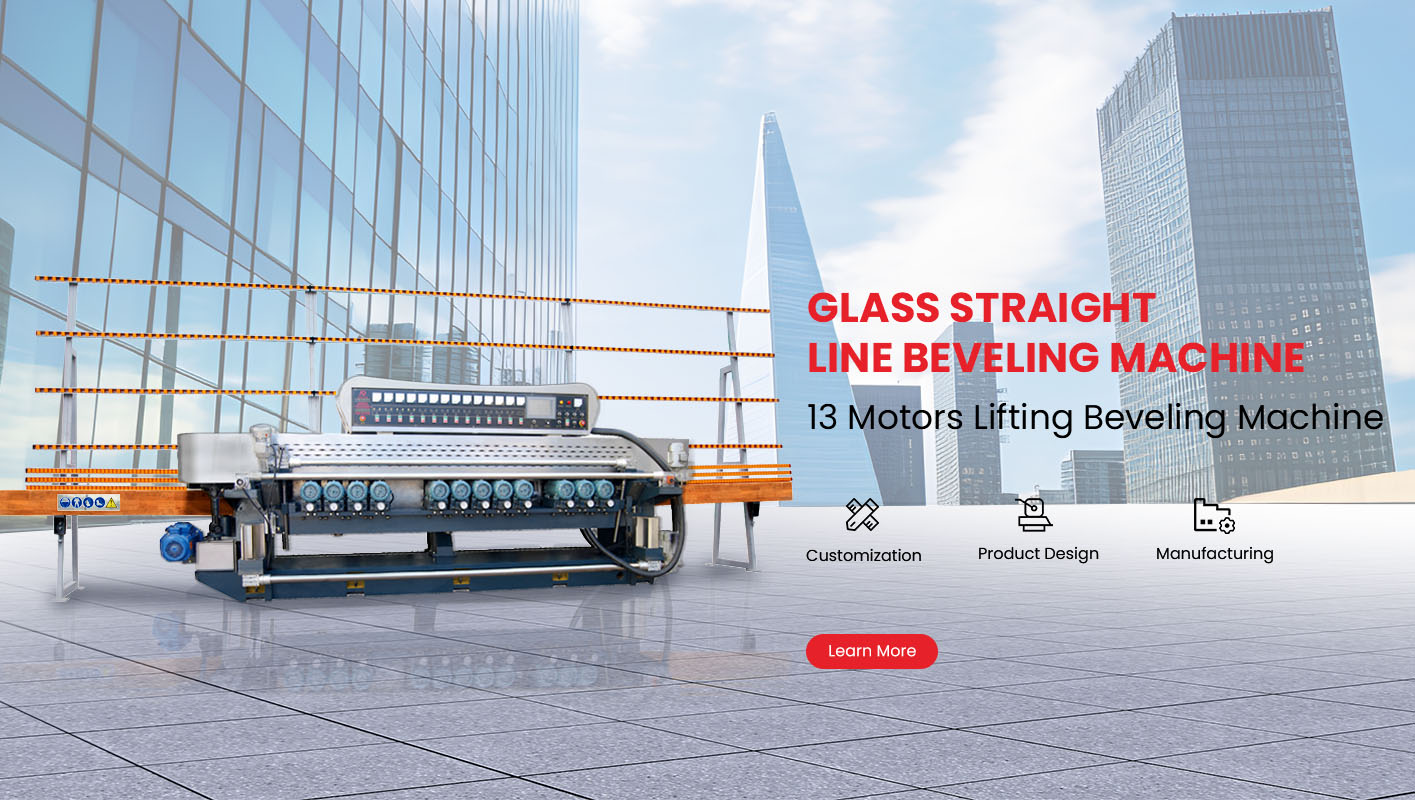
Straight-line glass beveling machines are essential equipment in modern glass processing, delivering consistent, accurate bevel angles that meet the demands of architectural, decorative, and industrial glass applications.
A glass straight-line edging machine is an industrial device used in glass fabrication to process the edges of flat glass sheets with precision and efficiency. It transforms raw cut glass into finished panels with smooth, uniform edges that meet quality, safety, and aesthetic requirements across diverse applications in architecture, furniture, automotive, and more.
Glass production is a complex industrial process that requires a variety of machines at different stages, from raw material preparation to shaping, processing, and finishing. Understanding the key machinery involved helps manufacturers optimize quality, efficiency, and output.
Keeping a glass edging machine clean is crucial for maintaining precision, extending its lifespan, and ensuring that glass products come out with a flawless edge finish. A regular cleaning schedule not only prevents buildup of glass dust and coolant residue but also improves operational safety and machine efficiency.
In glass processing, maintaining the correct cooling water flow rate for glass grinders is critical for both tool longevity and surface quality. During grinding, friction between the grinding wheel and glass surface generates heat that can lead to cracks, stress marks, or deformation.
Installing a glass beveling machine requires precision, preparation, and a clear understanding of both the mechanical and electrical systems involved. This guide provides a professional, SEO-optimized overview suitable for manufacturers, workshops, and glass processing plants that aim to set up or upgrade their equipment efficiently and safely.
When setting up a glass processing line, one of the most crucial aspects to consider is the electrical configuration of the equipment. Voltage, current, and total power demand directly determine operational efficiency, safety, and compatibility with regional electrical standards.
A well-maintained cooling system is essential for keeping glass machinery efficient, stable, and long-lasting. Regular cleaning and preventive maintenance not only protect the machine’s internal components from overheating but also help maintain the clarity and precision required in glass manufacturing.
Selecting the right spare parts for glass machinery is essential for maintaining stable production, reducing downtime, and protecting long-term equipment investment. Glass processing involves continuous high-precision movement, thermal effects, and mechanical load, so any mismatch in spare parts can directly affect cutting accuracy, polishing consistency, or tempering safety.
Calibrating a glass drilling machine is essential for achieving accurate hole positioning, clean edge quality, and consistent production results across different thicknesses of glass. Whether the equipment is used for architectural glass, appliance glass, furniture panels, or sanitary ware components, precise calibration ensures that the drill bits align correctly with the worktable and that all mechanical movements follow the intended parameters.
Glass edging requires precise control, stable temperature management, and continuous removal of grinding debris to maintain edge quality. One of the core elements that supports this process is the lubrication system.
Choosing the correct operating speed for a glass edger is essential for achieving consistent edge quality, minimizing glass breakage, and maintaining long-term equipment performance. The ideal speed depends on several technical parameters, including glass thickness, desired finish level, abrasive configuration, coolant flow, and the overall rigidity of the edger.