


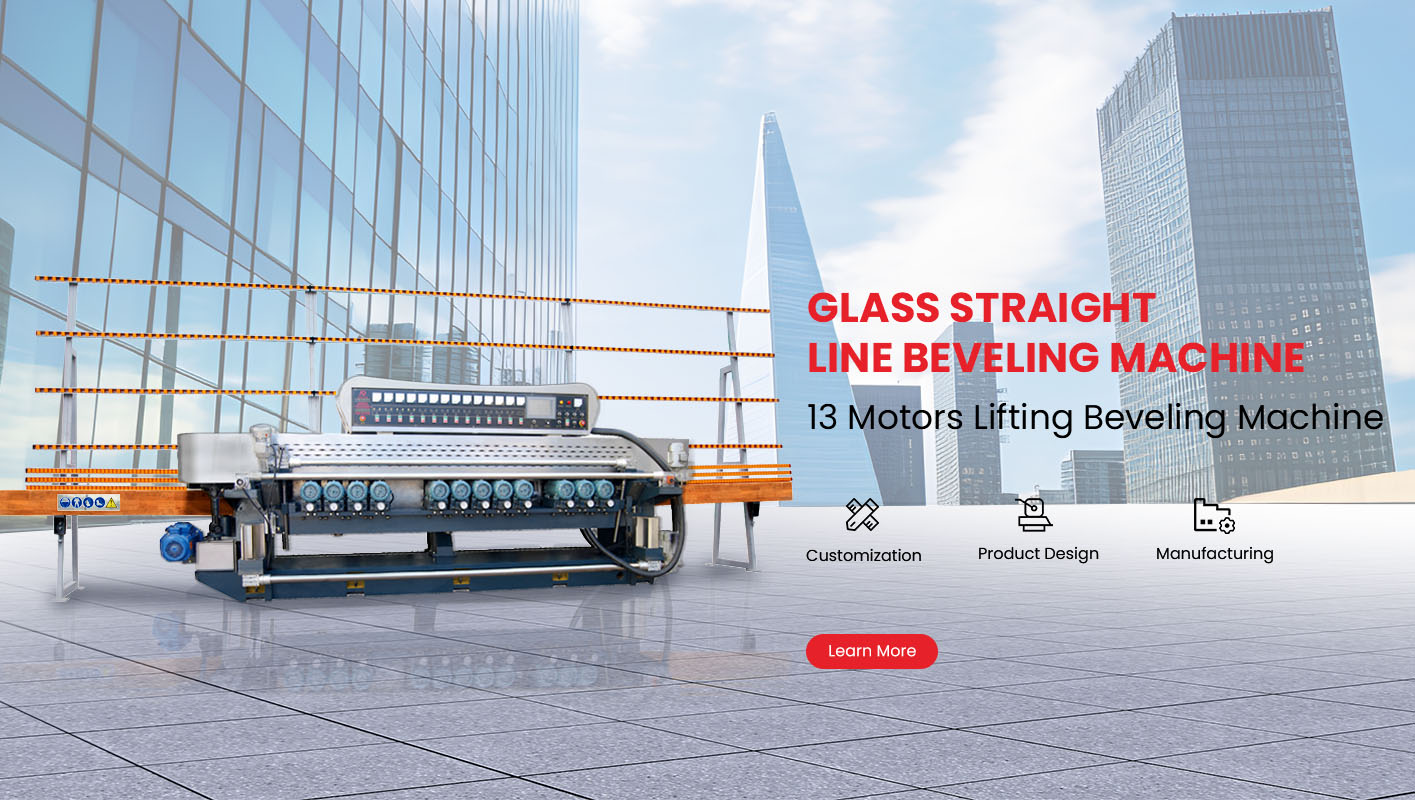
Beveling machines are essential tools in metal fabrication, widely used for preparing edges of pipes, plates, and welded structures. They ensure clean, angled cuts that improve welding strength, coating adhesion, and overall assembly precision.
Professional glass drilling is a precision process that requires the right combination of equipment, tooling, and operating techniques. Unlike metal or wood, glass is brittle and highly sensitive to vibration, heat, and uneven stress. Improper drilling can easily lead to cracking, chipping, or complete breakage.
Glass edge finishing is a critical step in glass processing that directly affects safety, appearance, assembly accuracy, and overall product quality. Whether used in architectural, furniture, appliance, or decorative applications, poorly finished edges can lead to breakage, customer complaints, and costly rework.
Selecting the right straight-line edge grinder is a critical decision for any glass workshop aiming to improve edge quality, production efficiency, and long-term competitiveness. With a wide range of machine configurations, processing capacities, and automation levels available on the market, choosing the right equipment requires a clear understanding of production needs and technical criteria.
In today’s glass processing industry, efficiency, precision, and consistency are no longer optional advantages. They are fundamental requirements driven by rising quality standards, diversified application scenarios, and increasing competition.
Straight-line glass beveling machines are essential equipment in modern glass processing, delivering consistent, accurate bevel angles that meet the demands of architectural, decorative, and industrial glass applications.
A glass straight-line edging machine is an industrial device used in glass fabrication to process the edges of flat glass sheets with precision and efficiency. It transforms raw cut glass into finished panels with smooth, uniform edges that meet quality, safety, and aesthetic requirements across diverse applications in architecture, furniture, automotive, and more.
Glass production is a complex industrial process that requires a variety of machines at different stages, from raw material preparation to shaping, processing, and finishing. Understanding the key machinery involved helps manufacturers optimize quality, efficiency, and output.
Keeping a glass edging machine clean is crucial for maintaining precision, extending its lifespan, and ensuring that glass products come out with a flawless edge finish. A regular cleaning schedule not only prevents buildup of glass dust and coolant residue but also improves operational safety and machine efficiency.
In glass processing, maintaining the correct cooling water flow rate for glass grinders is critical for both tool longevity and surface quality. During grinding, friction between the grinding wheel and glass surface generates heat that can lead to cracks, stress marks, or deformation.
Installing a glass beveling machine requires precision, preparation, and a clear understanding of both the mechanical and electrical systems involved. This guide provides a professional, SEO-optimized overview suitable for manufacturers, workshops, and glass processing plants that aim to set up or upgrade their equipment efficiently and safely.
When setting up a glass processing line, one of the most crucial aspects to consider is the electrical configuration of the equipment. Voltage, current, and total power demand directly determine operational efficiency, safety, and compatibility with regional electrical standards.