info@gdaddtech.cn
+86-18566873215



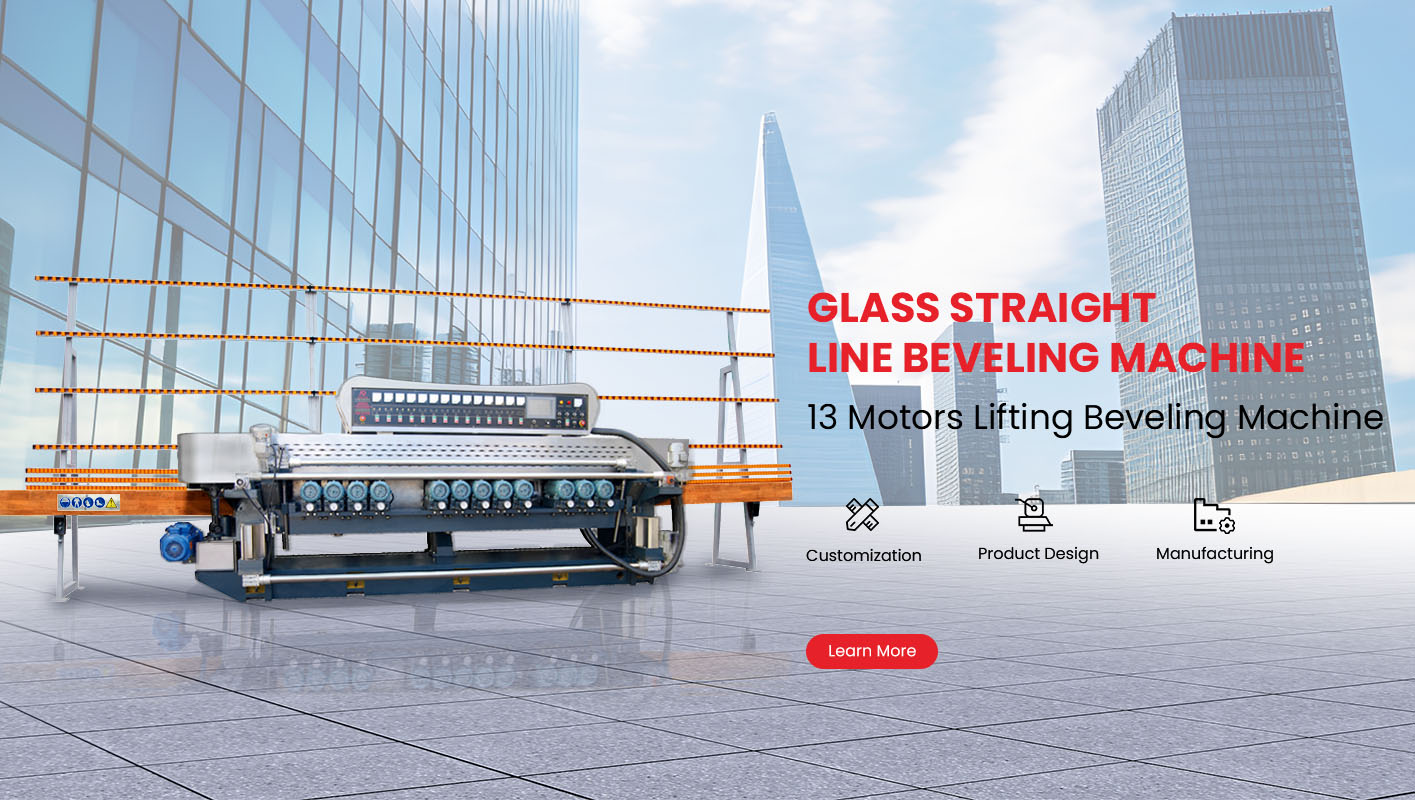
Selecting the right straight-line edge grinder is a critical decision for any glass workshop aiming to improve edge quality, production efficiency, and long-term competitiveness. With a wide range of machine configurations, processing capacities, and automation levels available on the market, choosing the right equipment requires a clear understanding of production needs and technical criteria. This article provides a structured guide to help glass fabricators select a straight-line edge grinder that aligns with their workshop scale, product requirements, and growth plans.
The first step in selecting a straight-line edge grinder is defining what types of glass products you process most frequently. Architectural glass, furniture glass, appliance glass, and decorative glass all have different edge quality expectations.
If your workshop mainly processes large-volume architectural glass, consistency and throughput are priorities. For furniture or decorative glass, edge transparency and surface finish play a more important role. Understanding your core applications helps determine the required grinding stages, polishing level, and machine stability.
Glass thickness range is one of the most important technical parameters when choosing an edge grinder. Different machines are designed to handle specific thickness ranges, typically from thin glass panels to thick architectural sheets.
In addition to thickness, consider the maximum glass size your workshop processes. Larger panels require stronger machine frames, stable conveyor systems, and precise pressure control to prevent vibration or edge deviation during grinding.
Choosing a machine that comfortably covers your current production range while allowing room for future expansion is a practical investment strategy.
Straight-line edge grinders are available with different numbers of grinding and polishing wheels. The wheel configuration directly affects edge quality and processing efficiency.
Fewer-wheel machines are suitable for basic grinding and chamfering.
Multi-wheel machines support rough grinding, fine grinding, and polishing in one continuous pass.
High-end configurations deliver smooth, transparent edges suitable for visible applications.
Workshops producing high-value glass products should prioritize machines with flexible wheel arrangements that allow precise control over edge finish.
Production volume determines whether a semi-automatic or fully automatic straight-line edge grinder is more appropriate. High-output workshops benefit from machines with automated feeding, speed control, and digital parameter adjustment.
Automation reduces operator dependency and improves consistency across batches. It also helps maintain stable quality during long production runs. Smaller workshops may prefer simpler machines that offer flexibility and lower upfront investment.
Balancing automation level with actual production demand helps avoid unnecessary costs while maintaining efficiency.
A stable machine structure is essential for achieving consistent edge quality. Strong frames, precision guide systems, and reliable conveyor mechanisms reduce vibration and ensure uniform pressure across the glass edge.
High-quality straight-line edge grinders use robust materials and precision machining to maintain alignment over long-term operation. Structural rigidity directly affects grinding accuracy, especially when processing thicker or larger glass panels.
Ease of operation is often overlooked but has a major impact on daily productivity. User-friendly control panels, clear parameter settings, and intuitive interfaces reduce training time and minimize operating errors.
Maintenance accessibility is equally important. Machines with modular designs, accessible wheel stations, and standardized components simplify routine maintenance and reduce downtime. Over time, easy maintenance lowers operating costs and improves overall equipment reliability.
The performance of a straight-line edge grinder depends not only on the machine itself but also on wheel compatibility. The machine should support a wide range of diamond, resin, and polishing wheels to accommodate different glass types and finish requirements.
Balanced wheel alignment and stable rotation help extend wheel life and ensure consistent edge quality. Selecting equipment designed to work seamlessly with standard wheel specifications provides greater flexibility in production.
Energy consumption and consumable usage affect long-term profitability. Efficient motors, optimized grinding pressure, and stable cooling systems help reduce power usage and tool wear.
Lower operating costs allow workshops to maintain competitive pricing while preserving margins, especially in high-volume production environments.
Reliable technical support and spare parts availability are essential when investing in production equipment. A supplier with industry experience and responsive service helps ensure smooth installation, commissioning, and ongoing operation.
Straight-line edge grinding solutions from ADDTECH are designed to support diverse glass workshop requirements, combining stable machine structures, flexible configurations, and practical operational design. This allows fabricators to match equipment selection closely with real production needs.
Choosing the right straight-line edge grinder requires a careful balance between technical capability and actual production demand. By evaluating glass application types, thickness range, wheel configuration, automation level, and long-term operating costs, glass workshops can select equipment that delivers consistent quality and sustainable productivity.
With a well-matched straight-line edge grinder and reliable technical support, workshops can enhance edge quality, improve efficiency, and strengthen their position in an increasingly quality-driven glass market.