info@gdaddtech.cn
+86-18566873215



Glass beveling is a finishing process that shapes the glass edge into an angled surface for decoration, safety, and better visual depth. Good beveling makes mirrors, doors, shelves, furniture glass, and interior panels look more refined. Poor beveling creates uneven lines, visible waves, edge chips, and polishing marks. For factories serving custom orders, glass bevel quality directly affects product value and customer acceptance.
Industry references on flat glass processing show that edge quality is closely related to grinding pressure, wheel condition, water cooling, and machine stability. Since beveling removes material from the glass edge, any unstable movement can quickly become visible on the finished surface.
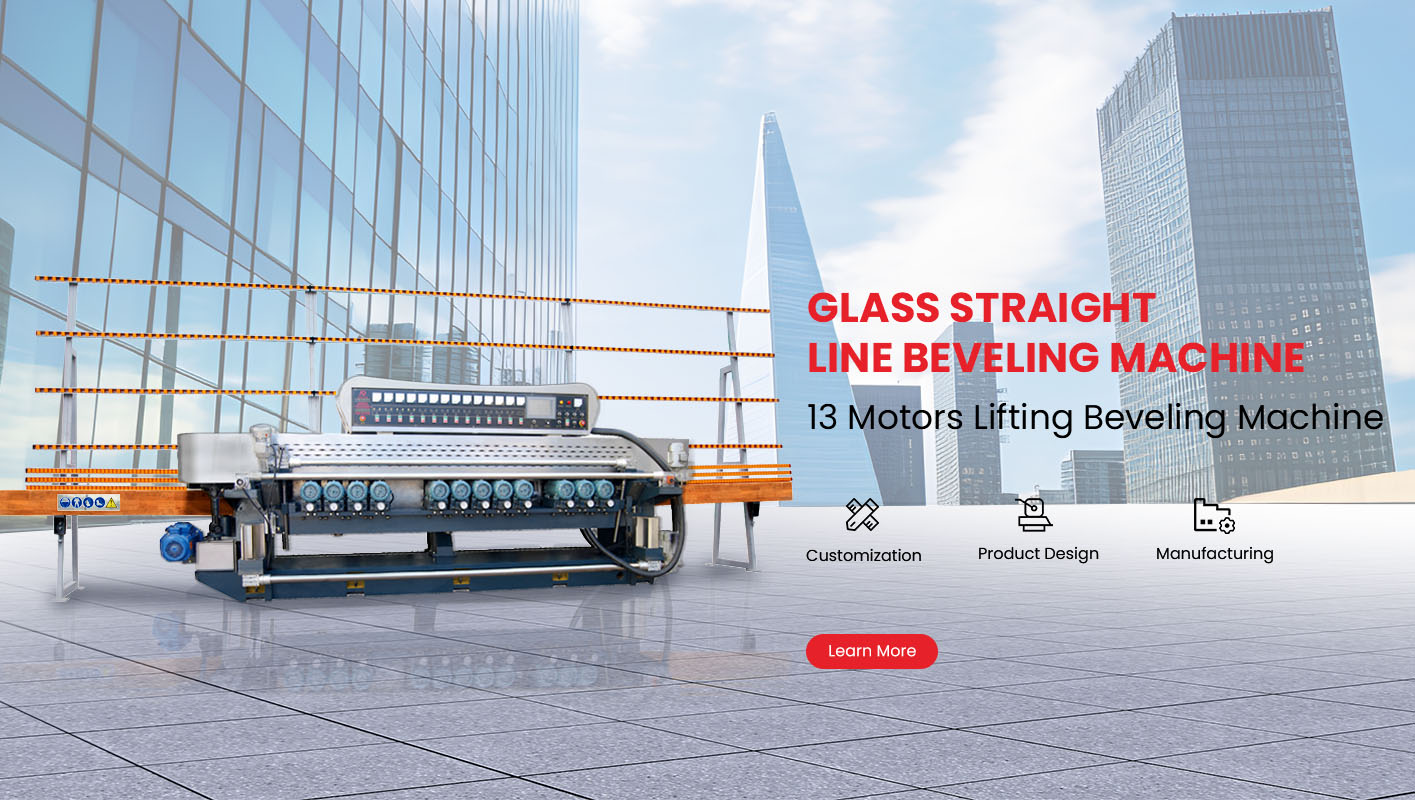
A stable Glass Beveling Machine is the foundation of consistent edge finishing. If the conveyor vibrates, the glass shifts, or the grinding head is not aligned correctly, the bevel line may become uneven. This is especially clear on long mirror panels or decorative glass doors, where light reflection makes small defects easy to see.
ADDTECH designs beveling equipment with steady transmission, controlled grinding movement, and practical adjustment systems. This helps factories keep the bevel angle, width, and polishing result more consistent during daily production.
The grinding wheel directly contacts the glass, so its condition strongly affects the final result. A worn wheel may create rough edges, slow processing, and uneven bevel surfaces. A wheel that is too aggressive may remove too much material and increase chipping risk.
Regular inspection and timely replacement are important. Diamond wheels are commonly used for grinding, while polishing wheels help create a brighter finish. When each wheel works in the correct sequence, the bevel becomes smoother and easier to control.
Beveling generates heat and glass powder. Without enough cooling water, the edge may overheat, the wheel may wear faster, and micro-cracks may appear along the bevel. Water also helps remove grinding powder from the contact area.
For decorative glass, cooling quality affects both appearance and safety. Clean water flow helps reduce scratches and keeps the polishing section more stable. Factories should also maintain water circulation systems to prevent powder buildup from returning to the glass surface.
Different glass thicknesses need different machine settings. Thin glass may be more sensitive to pressure, while thick glass requires stronger grinding capacity. If the original cut edge is already chipped or uneven, the beveling machine must remove more material to create a clean result.
Before beveling, operators should check panel size, edge condition, and glass type. This is important for a decorative glass supplier because visible edge defects can reduce the premium feeling of mirrors, cabinet doors, and interior glass products.
| Factor | Common Problem | Control Method |
|---|---|---|
| Machine vibration | Wavy bevel line | Stable conveyor and alignment |
| Worn grinding wheel | Rough bevel surface | Regular wheel replacement |
| Poor cooling | Heat marks or micro-cracks | Sufficient clean water flow |
| Wrong pressure | Chipping or uneven removal | Correct grinding adjustment |
| Dirty polishing section | Scratches or dull finish | Routine cleaning and maintenance |
Even with good equipment, beveling still needs proper setup. Operators must adjust bevel width, angle, feeding speed, grinding pressure, and polishing sequence according to the product requirement. Too much pressure may cause edge breakage. Too little pressure may leave grinding marks.
ADDTECH equipment is designed for clear operation and convenient adjustment, helping workers manage different glass specifications more efficiently. With proper training, factories can improve consistency across repeated orders.
Large glass panels are harder to handle during beveling. Manual lifting can cause edge impact, surface scratches, or unstable feeding. A glass lifting beveling machine helps reduce handling pressure and supports smoother panel movement, especially for larger decorative glass, mirror glass, and furniture glass.
This kind of equipment can improve both safety and processing stability. When panels enter the machine more evenly, beveling accuracy becomes easier to maintain.
Bevel quality is the result of machine structure, tooling, cooling, glass preparation, and operator control. ADDTECH supports customers by matching equipment to real production needs, including panel size, bevel width, processing speed, workshop layout, and product category.
For factories producing mirrors, shower glass, furniture glass, display glass, and decorative panels, stable beveling can improve appearance, reduce rework, and support higher-value orders. Choosing suitable ADDTECH beveling equipment helps manufacturers produce cleaner edges, brighter finishes, and more consistent glass products.
Previous: What Is Pencil Edge Glass?