info@gdaddtech.cn
+86-18566873215



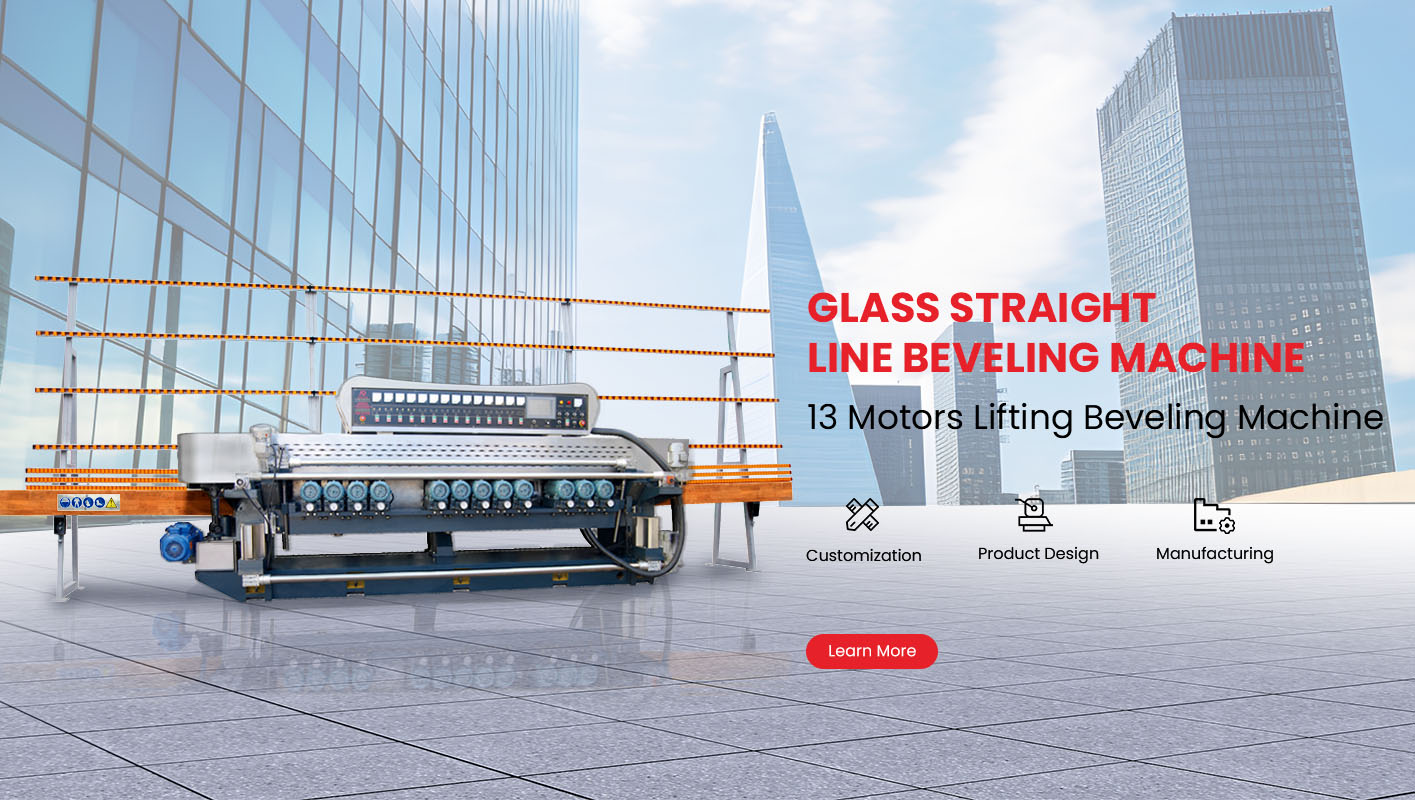
Precision in glass edging is not decided by the machine alone. It comes from the combined control of glass cutting quality, mechanical stability, wheel condition, feeding speed, cooling water, operator settings, and inspection standards. When any of these areas is unstable, the final edge may show size deviation, uneven polishing, poor straightness, angle error, or inconsistent arris quality.
For glass factories, accuracy matters because many processed panels must match doors, windows, shower hardware, furniture frames, mirror installation systems, or architectural fittings. Once the edge dimension is wrong, the panel may not fit the next process or final installation. ASTM C1036 notes that flat glass can be supplied with different edgework forms, including ground, polished, beveled, and mitered edges, and dimensional tolerance is part of the flat glass quality requirement.
Accurate edging starts before the glass reaches the edging area. If the original cutting line is not straight, or if the breakout leaves heavy shelling, the edging machine must remove uneven material. This makes the process harder to control.
A clean cut gives the machine a consistent allowance. A poor cut creates local pressure during grinding and may cause one section to be over-processed while another section remains under-processed. For batch production, this leads to different final sizes even when the same machine setting is used.
Factories should control cutting pressure, cutting wheel condition, breakout method, table cleanliness, and panel support. These early steps reduce the burden on the Glass Edging Machine and improve the chance of stable final dimensions.
Edging accuracy depends heavily on how steadily the machine holds and moves the glass. If the frame vibrates, the conveyor speed fluctuates, or the guide rail is not aligned, the glass edge cannot stay in a stable contact position with the grinding wheels.
A strong machine body helps reduce vibration during long working hours. Stable belts and guide rails keep the glass moving in a consistent line. Accurate wheel positioning ensures that each grinding station removes the right amount of material.
One practical way to evaluate machine stability is to check the first piece, middle pieces, and final pieces in the same batch. If the first piece is accurate but later pieces start drifting, the problem may come from heat, wear, wheel movement, conveyor instability, or operator adjustment.
Grinding wheels are consumables, but they strongly influence accuracy. A new wheel may cut sharply. A worn wheel may require more pressure. A clogged wheel may generate uneven contact. If operators do not adjust or replace wheels on time, the machine may continue running while accuracy gradually declines.
Wheel condition affects:
Edge straightness
Final width
Arris consistency
Polishing quality
Chipping rate
Processing pressure
Factories should create replacement rules based on production volume and edge result, not only on time. A wheel that still looks usable may already be affecting glass edging accuracy.
Fast feeding can increase output, but it may reduce control. Slow feeding can improve finish, but it may create over-grinding if pressure is too high. The right feed speed depends on glass thickness, edge type, wheel arrangement, polishing requirement, and production target.
For example, thick architectural glass needs stable grinding time and strong support. Thin furniture glass needs gentler feeding to avoid vibration. Mirror beveling requires consistent speed to keep bevel width uniform. Miter edging needs angle control and steady contact.
The National Glass Association has published technical information on edge grinding and references ASTM C1036 for dimensional tolerance considerations in fabricated glass work. This supports the idea that edging accuracy should be connected with both processing method and quality inspection.
| Factor | What Can Go Wrong | How To Control It |
|---|---|---|
| Cutting allowance | Uneven material removal | Keep cutting size consistent |
| Machine frame | Vibration during processing | Use rigid machine structure |
| Conveyor system | Glass shifts while moving | Check belts and guide rails |
| Grinding wheels | Size drift and rough finish | Replace worn wheels on time |
| Feed speed | Over-grinding or under-grinding | Match speed to glass thickness |
| Cooling water | Heat and powder affect grinding | Keep water clean and stable |
| Operator setting | Random adjustment differences | Use standard process parameters |
| Inspection method | Defects found too late | Check first piece before batch run |
Water is not only used for cooling. It also removes glass powder from the grinding area. If the water flow is weak or dirty, the wheel may not contact the glass edge cleanly. This can change grinding pressure and cause surface defects.
Blocked nozzles, dirty tanks, weak pump pressure, and glass powder buildup all affect processing stability. In daily production, operators should confirm water flow before processing important orders. Clean water helps the machine maintain smoother grinding and more predictable edge dimensions.
Even with a good machine, accuracy can still vary when operators use different habits. One operator may increase speed to finish faster. Another may adjust wheel pressure without recording the change. A third may ignore early signs of vibration.
Good production management should create standard settings for common glass thicknesses and edge types. Operators should record wheel changes, speed adjustments, abnormal sound, breakage, and size deviation. These records help the factory identify whether accuracy problems come from machine setup, tool wear, glass type, or operation.
ADDTECH works as a glass machinery supplier for factories that need stable edging, beveling, drilling, washing, and related glass processing equipment. In real production, customers do not only need a machine that can run. They need equipment that can hold accuracy during repeated orders.
ADDTECH focuses on machine structure, practical adjustment, stable feeding, and suitable configuration. For shower glass, furniture glass, architectural glass, mirror glass, and decorative panels, this helps factories reduce size variation and maintain more consistent edge quality.
Glass edging accuracy is affected by the full production process. Cutting quality, machine rigidity, wheel condition, feed speed, cooling water, operator habits, and inspection control all decide the final result.
ADDTECH helps glass factories improve production stability through reliable equipment design and practical process support. With the right machine configuration and disciplined workshop management, factories can achieve cleaner edges, more accurate dimensions, and stronger consistency across repeated glass orders.