info@gdaddtech.cn
+86-18566873215



Global buyers do not only check machine price, speed, and processing size when choosing glass machinery. They also care about whether the equipment can enter the target market smoothly, pass internal safety review, and support long-term workshop operation. Certification is part of this decision because it shows that the machine has been designed, manufactured, and documented according to recognized safety and compliance rules.
For ADDTECH, certification is not treated as a surface document. It is connected with machine design, electrical control, guarding, risk evaluation, testing, and export preparation. This is especially important for glass cutting machines, edging machines, beveling machines, washing machines, drilling machines, and CNC glass processing equipment.
Glass machines work with motors, water systems, electrical cabinets, rotating tools, moving conveyors, sharp glass edges, and heavy panels. Without proper safety design, the machine may create risks during installation, operation, maintenance, and cleaning.
A reliable glass machine certification process helps confirm three things:
The machine follows relevant safety requirements
The technical documents are prepared for market review
The supplier understands export compliance responsibilities
For overseas procurement, certification also helps reduce customs risk, installation uncertainty, and project approval delays. In the European market, machinery must meet essential health and safety requirements before it can be placed on the market, according to the EU Machinery Directive 2006/42/EC and the newer Machinery Regulation 2023/1230.
For many export orders, CE certification machine requirements are one of the first questions buyers ask. CE marking shows that machinery meets applicable European health, safety, and environmental protection requirements. It is not just a logo attached to the machine body. It requires a conformity process, technical file preparation, risk assessment, instruction manual review, and declaration documents.
For glass machinery, CE-related checks may include:
| Compliance Area | What It Usually Covers |
|---|---|
| Mechanical safety | Guards, covers, moving parts, emergency stop |
| Electrical safety | Control cabinet design, wiring, grounding, overload protection |
| Operator protection | Safe access, warning labels, operating instructions |
| Risk assessment | Hazard identification and risk reduction |
| Technical file | Drawings, test records, manuals, declarations |
| Machine marking | Nameplate, voltage, power, model, manufacturer details |
The European Parliament’s machinery regulation briefing notes that manufacturers must prepare technical files, draw up declarations of conformity, and affix CE marking when requirements are met.
Different markets may require different documents, but several industrial compliance standards are often used as reference points for machinery safety.
ISO 12100 is one of the most important standards for machinery safety. It provides basic terminology, principles, and methodology for risk assessment and risk reduction during machine design. This matters because certification is not only about final inspection. It begins during the design stage.
For electrical equipment, IEC-related standards are commonly used in industrial machinery evaluation. The International Electrotechnical Commission develops international standards for electrical and electronic technologies, which are widely referenced in machinery control systems and electrical safety review.
The actual glass machinery certification requirements depend on the destination market and machine type. However, buyers can usually request a basic compliance package before confirming bulk equipment orders or production line projects.
CE declaration of conformity for applicable machines
Risk assessment report
Electrical diagram
Machine instruction manual
Testing record before delivery
Machine nameplate information
Packing list and export documents
Spare parts list
Installation and maintenance guidance
For more complex glass production lines, buyers may also ask for layout drawings, foundation requirements, air supply requirements, water system requirements, and operator training documents.
Good certification support starts from the machine structure. A machine that is difficult to guard, hard to maintain, or unclear in operation will create more compliance pressure later.
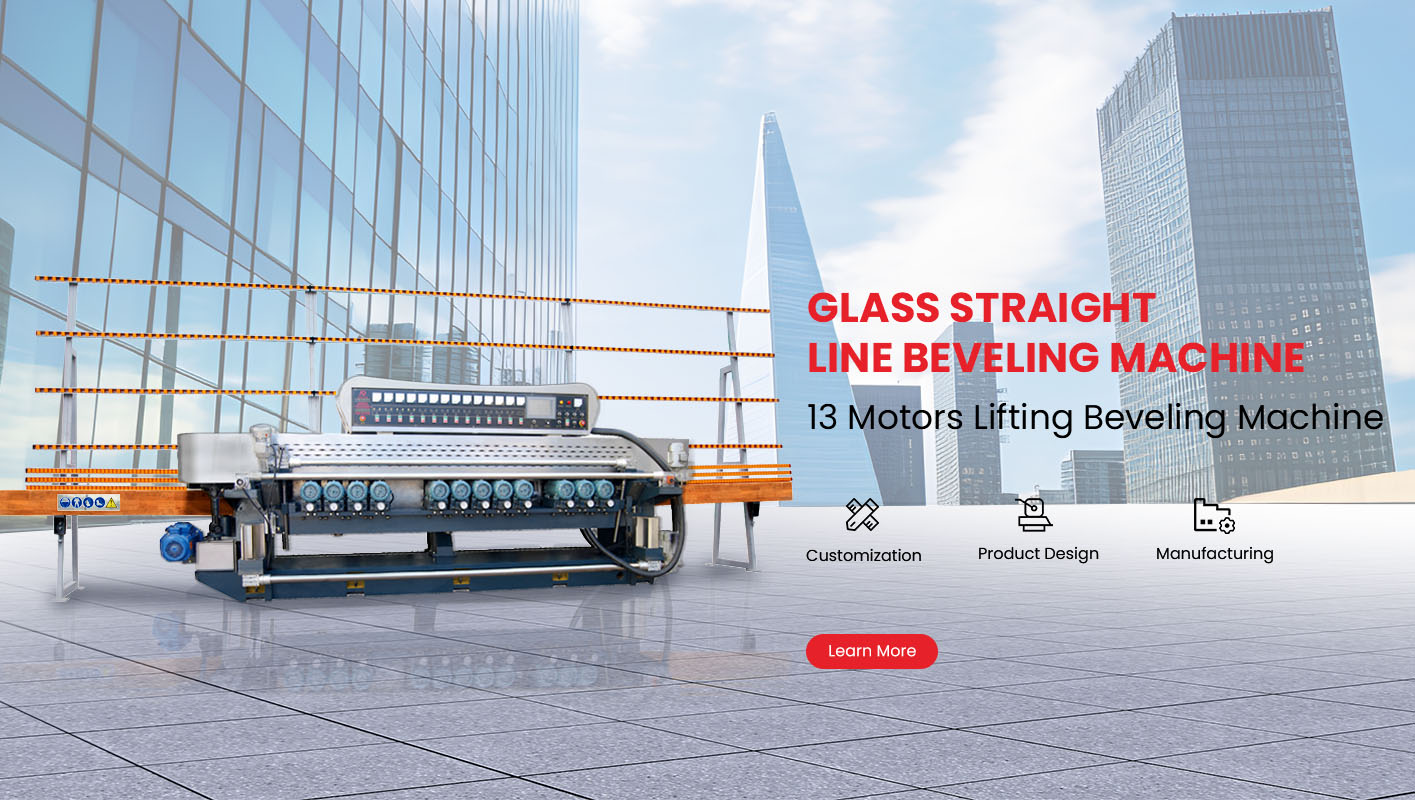
ADDTECH considers safety and usability during equipment development. For example, a Glass Edging Machine may need clear protection around moving parts, stable conveyor design, emergency stop access, water protection for electrical areas, and practical maintenance space. A Glass Beveling Machine may require additional attention to spindle area protection, polishing wheel access, water flow control, and safe adjustment points.
These details help the machine meet practical workshop needs while supporting export compliance review.
Machine export certification should be managed early, not after the machine is already produced. ADDTECH helps customers confirm machine type, voltage, destination market, safety configuration, and documentation requirements before shipment. This reduces repeated changes and helps buyers prepare for installation more smoothly.
ADDTECH’s advantage comes from combining manufacturing experience with export-oriented documentation. The goal is not only to deliver equipment, but also to help the customer receive machines that are easier to install, operate, inspect, and maintain.
For customized equipment, certification review should be discussed during the design stage. Changes in control systems, machine size, protection structure, voltage, or production line layout may affect the final compliance document package.
Before placing an order, buyers should review the following points:
| Question | Why It Matters |
|---|---|
| Does the machine need CE marking for the target market? | Avoids market entry problems |
| Is the instruction manual complete? | Helps installation and operator training |
| Are electrical drawings available? | Supports maintenance and safety review |
| Has risk assessment been considered? | Reduces operation hazards |
| Are emergency stop and protection devices included? | Improves operator safety |
| Is the machine suitable for local voltage? | Prevents electrical mismatch |
| Can the supplier provide export documents? | Reduces shipping and customs uncertainty |
A clear checklist helps buyers compare suppliers more fairly and avoid hidden compliance risks.
The glass equipment industry is becoming more automated, more international, and more safety-focused. Certification helps separate professional machinery suppliers from low-standard equipment providers. It also supports long-term cooperation because buyers can review safety, documentation, and technical responsibility before the machine enters production.
For ADDTECH, certification is part of total machine value. A compliant machine can help customers reduce approval risk, improve workshop safety, and support more stable production. When glass machinery is selected with proper certification planning, factories gain more than equipment. They gain a safer and more reliable foundation for future production growth.