info@gdaddtech.cn
+86-18566873215



Selecting a suitable Glass Edging Machine directly affects processing quality, production efficiency, and long-term operational cost. In modern glass fabrication, edge finishing is no longer just a secondary step. It plays a critical role in ensuring safety, structural integrity, and final product appearance. From architectural glass to furniture panels, the right equipment helps manufacturers maintain consistent output while meeting strict quality standards.
A well-matched glass edging machine should align with your production capacity, glass types, and precision requirements. Understanding the key evaluation factors can help avoid costly mismatches and improve overall workflow efficiency.
Before comparing machine models, it is essential to define your actual production needs. Glass thickness range, edge type, and daily output all influence equipment selection.
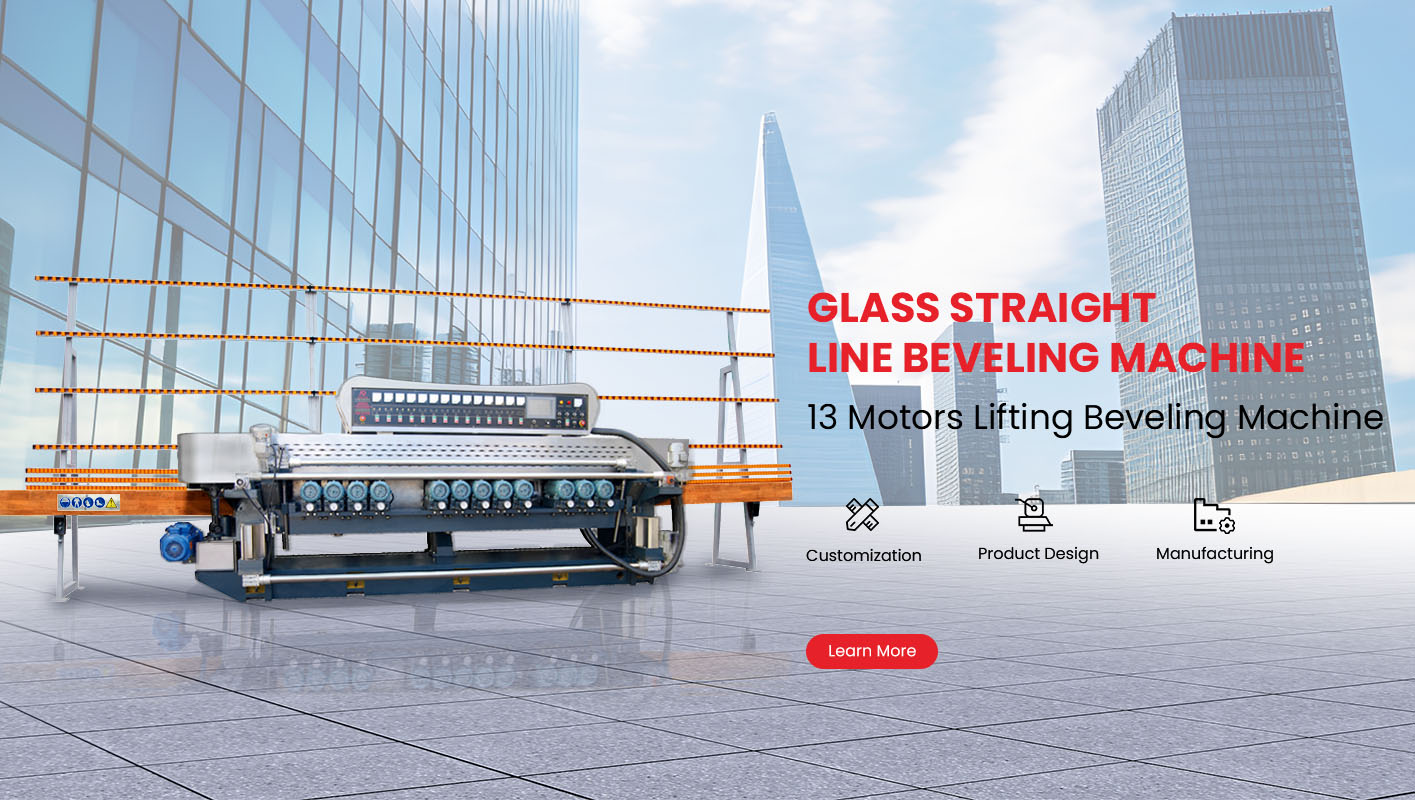
If your production involves flat glass panels for construction or interior applications, standard straight-line edging machines may be sufficient. However, for high-volume operations or precision-demanding applications such as laminated or coated glass, CNC glass edging systems provide better control and repeatability.
Production scale also matters. A small workshop may prioritize flexibility and lower investment, while large-scale factories benefit from automated lines with continuous processing capability.
Different machine configurations serve different purposes. Understanding their structural differences helps identify the most efficient option.
| Machine Type | Key Function | Suitable Application |
|---|---|---|
| Single Edging Machine | Processes one edge at a time | Small batch or custom production |
| Double Edge Machine | Processes two edges simultaneously | High-volume standardized production |
| CNC Glass Edging | Automated precision shaping | Complex shapes and high accuracy work |
A double edge machine significantly improves throughput by processing parallel edges in one pass. This reduces handling time and ensures consistent dimensional accuracy, making it ideal for large production lines.
Edge quality depends heavily on machine stability and control accuracy. High-quality spindles, guide rails, and motors ensure smooth grinding and polishing performance.
Look for machines with precise positioning systems and stable mechanical structures. Vibration control is especially important when processing large or thick glass panels. Poor stability can result in uneven edges, increased rejection rates, and additional rework costs.
Advanced control systems also contribute to precision. Digital interfaces allow operators to adjust parameters quickly, reducing human error and improving repeatability across batches.
Automation is becoming a key factor in glass manufacturing equipment selection. Automated loading, positioning, and polishing processes reduce labor dependency and improve consistency.
A well-designed system integrates multiple steps into a continuous workflow. This not only increases production speed but also minimizes manual handling, lowering the risk of surface damage.
Energy efficiency is another important consideration. Machines with optimized motor systems and water circulation designs can reduce operational costs over time while maintaining stable performance.
Reliable equipment should be easy to maintain and built for long-term operation. Components such as grinding wheels, belts, and motors should be accessible for quick replacement.
Durability depends on material quality and manufacturing standards. Machines constructed with high-strength frames and corrosion-resistant parts perform better under continuous use.
Regular maintenance intervals should be clearly defined. A well-structured maintenance plan helps extend equipment lifespan and ensures consistent output quality.
Different production lines require different configurations. Flexible machine design allows better integration into existing workflows.
Customization options may include processing width, speed adjustment range, and additional polishing units. Compatibility with upstream and downstream equipment is also essential for building efficient production lines.
A reliable supplier provides tailored solutions based on specific production requirements rather than offering only standard configurations. This approach supports long-term scalability and operational efficiency.
| Factor | Why It Matters | Impact on Production |
|---|---|---|
| Precision | Determines edge quality | Reduces defects and rework |
| Automation Level | Affects labor and efficiency | Improves consistency and output |
| Machine Stability | Ensures smooth processing | Enhances product reliability |
| Maintenance Design | Influences downtime | Extends service life |
| Customization | Matches production needs | Supports flexible manufacturing |
Beyond the machine itself, manufacturing expertise plays a crucial role. A supplier with strong engineering capability can deliver more reliable designs and better technical support.
ADDTECH focuses on developing efficient and stable glass processing solutions. With experience in designing advanced glass edging machine systems, the company emphasizes precision engineering, durable construction, and practical automation. Its equipment is built to meet the demands of modern glass production while maintaining consistent performance under continuous operation.
Integrated design and in-house production allow better control over quality and lead time. This ensures that each machine meets strict standards before delivery and performs reliably in real production environments.
A well-informed glass edging machine selection balances precision, efficiency, and long-term reliability. By understanding production requirements, comparing machine types, and evaluating automation and durability, manufacturers can identify the best glass edging solution for their operations.
Reliable equipment combined with strong technical support helps maintain consistent product quality and stable production output. For companies aiming to scale or upgrade their processing capabilities, investing in the right machine is a critical step toward sustainable growth.