info@gdaddtech.cn
+86-18566873215



Glass products used in architecture, furniture, and electronics require not only precise cutting but also refined edge finishing. Raw cut glass often has sharp, uneven edges that can affect both safety and product quality. This is where a Glass Edging Machine becomes essential in modern production lines. It transforms rough edges into smooth, polished finishes, ensuring both functional reliability and visual appeal.
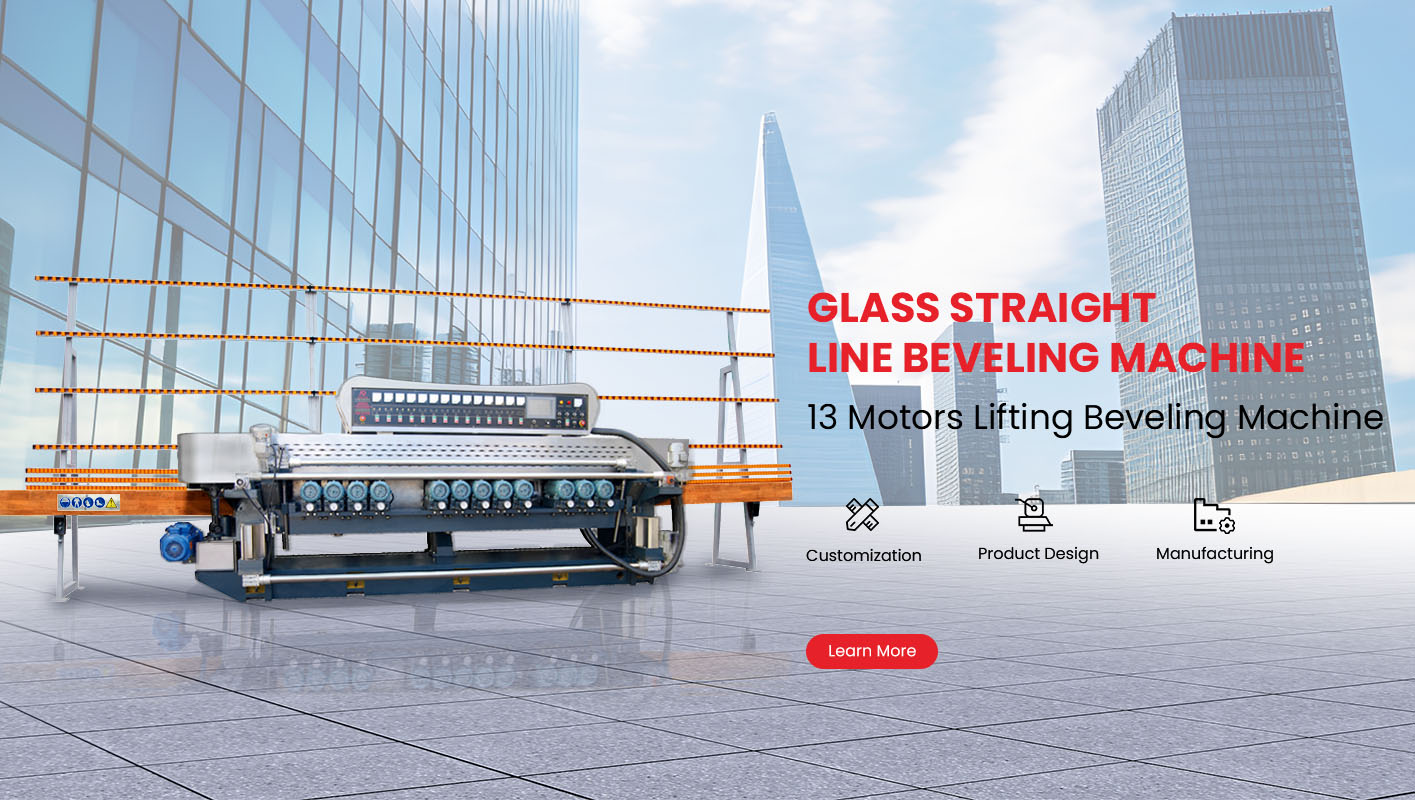
A glass edging machine is designed to process the edges of flat glass panels after cutting. Its main function is to grind, smooth, and polish glass edges to meet required specifications. This process improves safety by removing sharp edges and enhances the appearance of the final product.
In large-scale manufacturing environments, edge finishing is not just about aesthetics. It directly impacts downstream processes such as tempering, laminating, and coating. Poor edge quality can lead to breakage during these processes, increasing production costs and reducing yield rates.
Glass edging equipment is widely used across multiple industries where glass quality and precision are critical.
Architectural Glass Production
Used for windows, curtain walls, and doors, edging ensures clean lines and reduces stress points. Smooth edges help improve structural performance during installation and long-term use.
Furniture Manufacturing
Glass tabletops, shelves, and cabinets require polished edges for both safety and visual quality. Consistent edge finishing helps maintain product uniformity in bulk orders.
Home Appliances
Appliances such as ovens, refrigerators, and display panels rely on precisely edged glass for assembly accuracy and durability.
Automotive Glass
In automotive applications, edge processing contributes to safety standards and ensures compatibility with sealing systems.
Solar Glass Panels
Solar modules require precise edge grinding to prevent micro-cracks and ensure long-term performance under environmental stress.
Different production needs require different edge finishes. A glass edge grinding system can be configured to achieve various profiles.
Flat edge grinding for standard panels
Pencil edge for rounded corners
Beveled edge for decorative applications
OG and custom profiles for specialized designs
Each type requires specific tooling and machine configuration, making equipment flexibility an important consideration.
With increasing demand for efficiency, automatic glass edging has become a standard in industrial production. Automated systems integrate feeding, grinding, polishing, and inspection into a continuous workflow.
Automation brings several advantages:
Consistent edge quality across large production volumes
Reduced reliance on manual labor
Improved production speed and throughput
Lower material waste due to precision control
An industrial glass grinder equipped with CNC control can handle different glass sizes and thicknesses with minimal adjustment time, making it suitable for high-mix production environments.
When evaluating equipment, several technical factors determine performance and suitability.
| Parameter | Typical Range | Impact on Production |
|---|---|---|
| Glass Thickness | 3 mm to 25 mm | Defines processing capability |
| Processing Speed | 1 m/min to 8 m/min | Affects output efficiency |
| Spindle Quantity | 8 to 12 motors | Determines edge quality and finish |
| Power Consumption | 15 kW to 35 kW | Influences operating cost |
| Accuracy | ±0.1 mm | Ensures consistency in mass production |
These parameters help buyers match machine capability with their production requirements, especially in large-scale or customized manufacturing.
A glass edge polishing machine is rarely used as a standalone unit in modern factories. It is typically integrated into a full glass processing machinery line that includes cutting tables, washing machines, tempering furnaces, and inspection systems.
Seamless integration allows for:
Continuous production flow without manual transfer
Reduced handling damage
Better synchronization between processes
Higher overall equipment efficiency
Manufacturers that offer complete line solutions can help streamline installation and reduce commissioning time.
Stable equipment performance is critical in long-term production. A well-designed machine structure, high-quality motors, and durable grinding wheels contribute to consistent results.
From a manufacturing perspective, key advantages include:
Rigid machine frame for vibration control
Precision spindle alignment for uniform grinding
Efficient cooling systems to prevent overheating
Easy maintenance access to reduce downtime
These factors directly affect production continuity, especially in facilities handling bulk orders or time-sensitive deliveries.
Different markets require different glass specifications. Equipment that supports customization can adapt to various edge profiles, thickness ranges, and production speeds.
Flexible systems allow manufacturers to:
Adjust settings for different product lines
Switch between edge types without major downtime
Meet specific project requirements with precision
This flexibility is especially important for companies handling diverse orders or OEM production demands.
A glass edging machine plays a central role in ensuring the safety, durability, and visual quality of glass products. From architectural panels to precision components, proper edge processing supports both performance and production efficiency.
Modern advancements in automatic glass edging and integrated glass processing machinery have significantly improved output consistency and reduced operational complexity. For manufacturers aiming to maintain high standards while scaling production, investing in a reliable glass edge grinding system is a key step toward achieving long-term competitiveness.
For more detailed specifications or tailored solutions based on your production needs, explore advanced equipment options designed to match different processing requirements.