info@gdaddtech.cn
+86-18566873215



Choosing between a glass straight line edging machine and a double edging machine is less about which one is better and more about which one matches your product mix, takt time, and tolerance targets. Straight line edging focuses on one edge per pass, giving strong flexibility for mixed sizes and frequent changeovers. Double edging processes two opposite edges in a single pass, which can dramatically raise output and consistency when your jobs are highly repetitive.
A straight line edging machine typically runs a sequence of rough grinding, fine grinding, chamfering, and polishing along one edge, then repeats for other edges if required. This structure is ideal when you need to handle varied thicknesses and many SKU changes during the day. ADDTECH straight line models are designed to complete multiple stages in one run and support wide glass types including tempered, laminated, and low E coated glass.
A double edging line uses paired grinding units to finish two opposite edges simultaneously, then the glass moves to downstream handling or the next process. In published line specifications, processing speeds commonly sit in the multi meter per minute range, with stated geometric tolerances expressed per meter for diagonal and parallel control.
If your plant runs long batches of the same size panels, double edging can reduce passes and stabilize cycle time. Public double edger line specs commonly list 2 to 10 m per minute ranges, and some listings claim higher peak conveyor speeds for certain configurations. If you run mixed orders with many size changes, a straight line edging setup is usually easier to schedule because it tolerates frequent adjustments without forcing the whole line to stop and rebalance. ADDTECH straight line equipment specs show feeding speed up to 7 m per minute depending on configuration and setup.
For architectural and safety glazing, edge quality and geometry directly influence tempering yield, laminating stability, and final assembly fit. Standards for toughened glass address edgework and tolerances as part of product performance, and laminated glass standards include requirements that connect to edge finish expectations and dimensional control. If your orders frequently require tight diagonal and parallel control for framed systems or insulating glass alignment, double edging lines often publish tolerance metrics per meter, which can help you benchmark capability during supplier evaluation.
Double edging lines commonly publish minimum glass sizes around a few hundred millimeters square in example specs, which can limit efficiency if you process many small parts. Straight line edging can be easier to optimize for smaller panels or irregular workflows because you can route pieces through fewer constraints and rework paths.
A double edging line usually demands more linear floor space and more coordinated infeed and outfeed handling, since the goal is stable continuous flow. Straight line edging is simpler to place into a cell, and it is often easier to pair with drilling, washing, or manual inspection steps.
If you ship to markets where safety glazing testing applies, your edge finishing and breakage behavior must stay consistent. ANSI Z97.1 defines safety glazing test methods used in buildings, and CPSC 16 CFR 1201 sets US federal safety requirements for architectural glazing applications. In practice, the machine choice influences how reliably you can hold edge finish, micro chip control, and repeatable geometry before tempering or laminating.
| Decision item | Straight line edging | Double edging |
|---|---|---|
| Best fit | Mixed SKUs, frequent changeovers, flexible routing | High volume repeats, stable sizes, continuous flow |
| Typical published speed range | Up to 7 m per minute in an ADDTECH straight line spec | 2 to 10 m per minute in an example double edger line spec |
| Passes to finish opposite edges | Usually more than one pass | One pass for two opposite edges |
| Published geometry metrics | Often varies by model and setup | Often published as diagonal and parallel tolerance per meter |
| Small panel friendliness | Often easier to manage | Often limited by minimum size and line handling |
If more than half of your monthly meters come from repeated panel sizes and fixed edge spec, shortlist double edging first, then validate minimum size and handling stability.
If your schedule is dominated by varied sizes, varied thicknesses, or frequent priority changes, shortlist a straight line solution and optimize tooling and wheel sequence for fast changeover.
If you must align to safety glazing standards in the US or EU, treat edgework consistency as a core acceptance item and define inspection checkpoints before tempering and before packing.
ADDTECH focuses on high precision glass processing equipment and offers a complete range that covers straight line edging, beveling, washing, drilling, and more, which helps you keep process ownership with a single solution provider across multiple stations. The company states it is founded in 2007, holds EU CE certification, and is recognized as a national high tech company, supporting projects that require documented compliance and stable export delivery. For straight line production, ADDTECH publishes clear technical specifications for a representative 11 motor model including 3 to 25 mm thickness support and 0.5 to 7 m per minute feeding speed, which is useful for line balancing and capacity planning during RFQ.
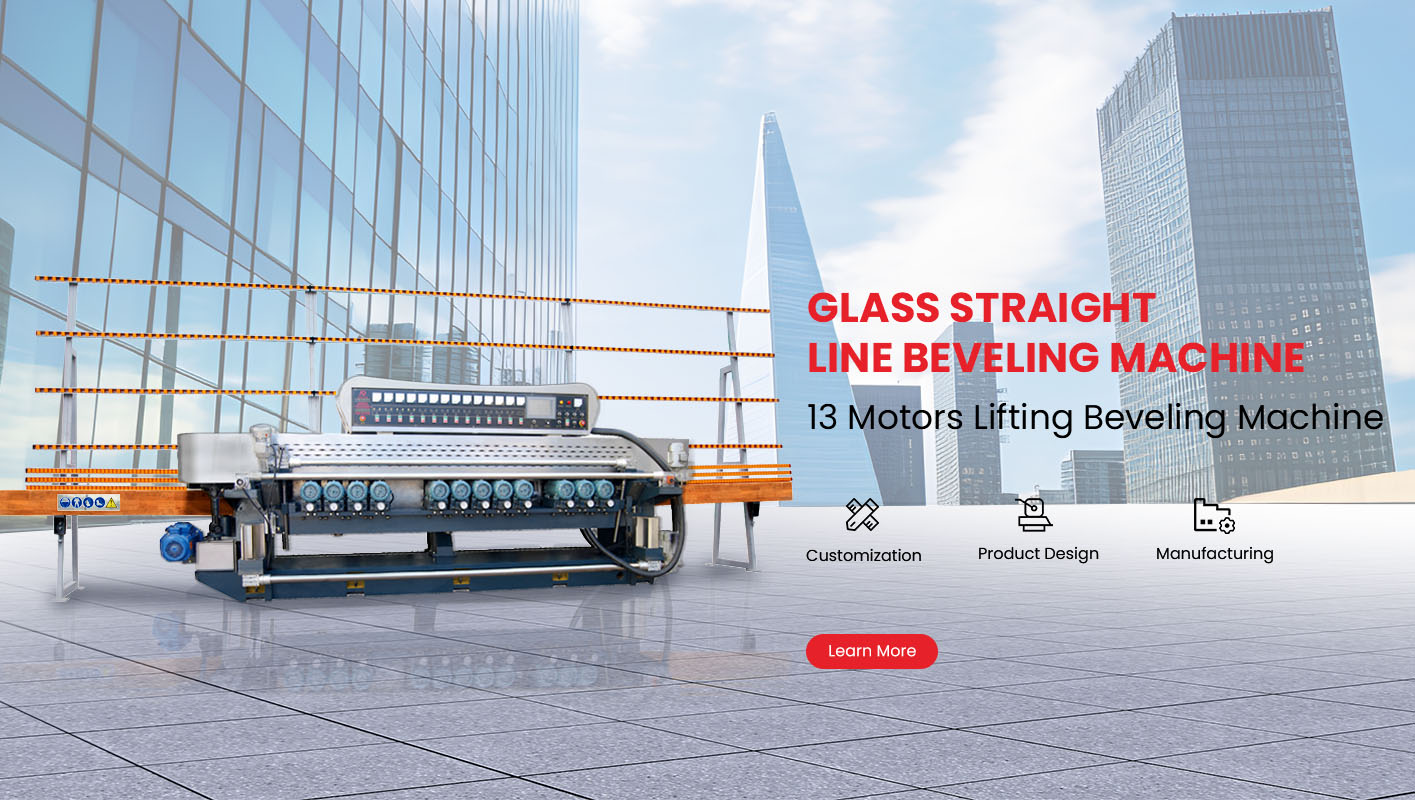
When your current demand points to flexible edging capacity, the Glass Straight Line Edging Machine becomes the most direct path to stabilize edge finish, manage mixed production, and build a scalable cell that can later expand into a larger automated layout.
Pick straight line edging when flexibility, mixed sizes, and fast switching protect your delivery promise. Pick double edging when repeatable high volume panels dominate and you want two edge completion in one pass with stable continuous flow benchmarks. The best choice is the one that holds your required tolerances, matches your daily scheduling reality, and reduces rework before tempering, laminating, and final inspection.