info@gdaddtech.cn
+86-18566873215



If you are budgeting for a glass straight edge machine, the most accurate way to think about cost is total delivered cost + operating cost + risk cost. On the purchase side, market pricing can look wide because “straight edge machine” includes different configurations such as spindle count, polishing stage, 45 degree chamfer capability, automation level, and electrical package.
Below is a practical pricing framework from a manufacturer viewpoint, with real reference data and a clear checklist to help you quote, compare, and avoid hidden costs.
For a new straight line edging machine, many market listings cluster in a few thousand to low tens of thousands of USD depending on configuration and capacity. For example, some public listings show prices around USD 5,800 to 10,563 for commonly offered straight line edging machine configurations. For higher-spec, PLC-controlled straight line polishing/edging machines, public listings can show prices around USD 22,000 to 22,500.
Used equipment can also be an option, with pricing influenced heavily by year, condition, and refurbishment scope. A used-equipment marketplace shows multiple listings for glass edging equipment, illustrating that a secondary market exists and can be a meaningful cost lever.
A quote is usually driven by a few technical variables. Here is a decision table you can use when collecting supplier offers.
| Cost driver | What changes | How it impacts budget |
|---|---|---|
| Processing capability | Straight edge only vs straight edge plus chamfer | Chamfer capability and wider process window typically add cost |
| Installed power and drivetrain | Higher kW, heavier mechanical structure | Higher upfront price plus higher energy and maintenance planning |
| Glass size range and thickness range | Minimum and maximum workable size and thickness | Larger working range and higher thickness capacity usually cost more |
| Speed and stability | Wider speed range with steady edge quality | Better stability reduces scrap and rework cost |
| Automation and control | Manual adjustments vs more automatic control | Automation can reduce setup time and skill dependency |
| Consumables system | Water and coolant management, polishing workflow | Better control reduces wheel wear and improves consistency |
| Service package | Commissioning, training, spare parts strategy | Impacts ramp-up time and downtime risk |
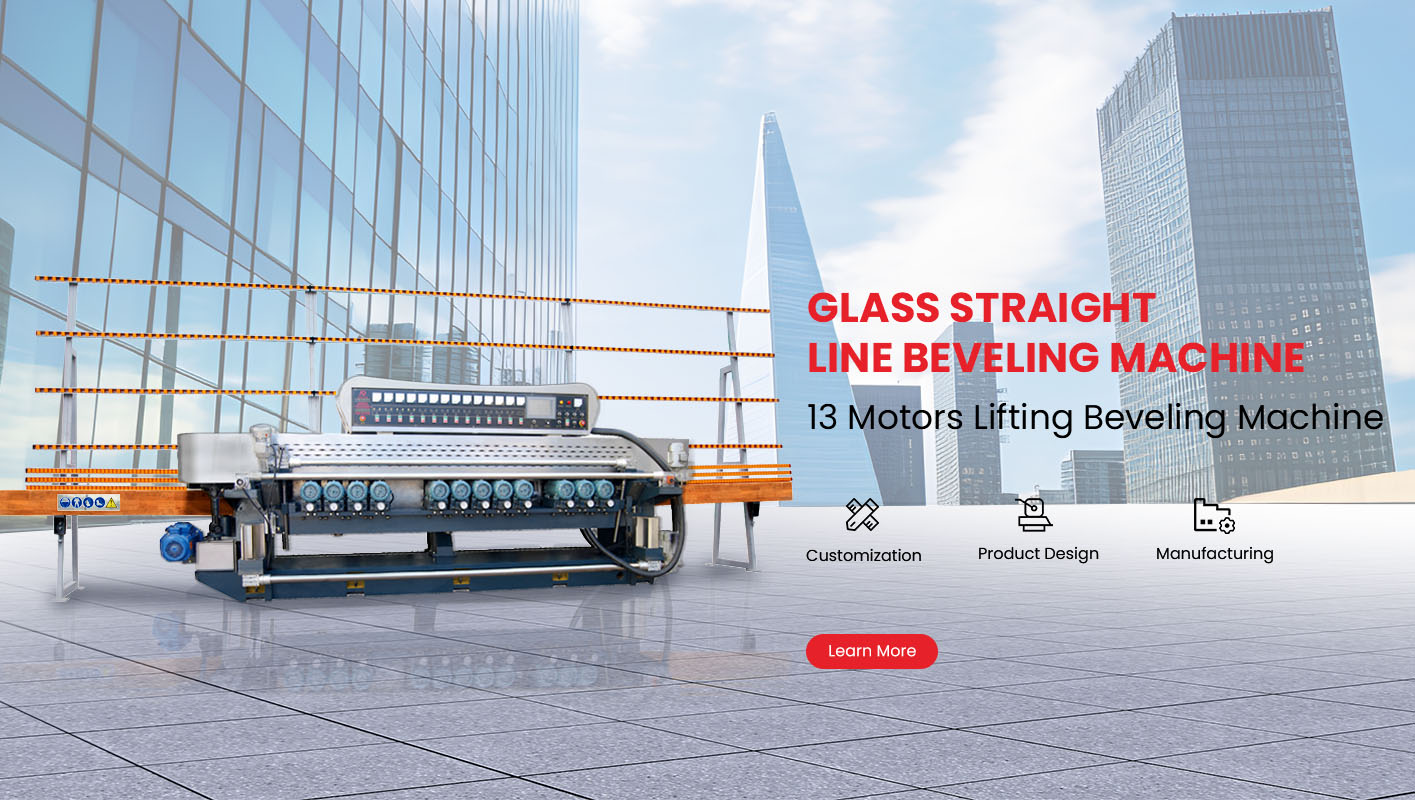
To ground this with a concrete example, one ADDTECH straight edge machine model lists power 19.5 kW, feeding speed 0.5 to 5 m per minute, glass thickness 3 to 25 mm, minimum glass size 80 by 80 mm, and machine weight 2700 kg. A related 45 degree configuration lists similar power at 19.5 kW and weight around 3000 kg, with dimensions around 6600 by 1000 by 2500 mm.
Those numbers matter because they directly affect shipping class, installation planning, electrical infrastructure, and energy cost.
Many buyers underestimate delivered cost because the machine itself is only part of the spend.
Use these practical checkpoints:
Shipping volume and weight: A multi-ton machine often requires heavy-duty packing, forklifts, and careful unloading planning. ADDTECH publishes machine weights in the 2700 to 3000 kg range for representative models.
Electrical readiness: If your facility needs transformer capacity changes or new cabling runs, that can be a meaningful project line item. ADDTECH lists a common voltage spec of 380V 50Hz for the referenced model.
Cooling and water management: Stable water flow and filtration are not optional for consistent finish quality and grinding wheel life.
Energy cost depends on your actual duty cycle and local tariff, but you can estimate quickly.
From ADDTECH’s listed 19.5 kW installed power for a representative straight edge model:
If the machine averages 60 percent load during production, average draw is about 11.7 kW.
If you run 8 hours per day, energy use is about 93.6 kWh per day.
Multiply by your local electricity price per kWh for a daily estimate.
This is why two machines that look similar in purchase price can behave very differently in total cost once you include throughput, scrap rate, and downtime risk.
To avoid “apples to oranges” quotes, provide these inputs to the supplier:
Glass thickness range and typical thickness you run most
Minimum and maximum glass size you must handle
Required edge finish level and whether you need chamfer processing
Expected output per shift and whether you run mixed sizes
Your electrical standard and plant conditions
Preferred service scope, remote support plus spares vs full commissioning
If you are preparing for a project buyer workflow, also ask for a spare parts recommendation list and lead times, especially for wear parts that can stop production.
When you buy a straight edge machine, the real cost risk is not only purchase price. It is stability, maintainability, and speed to steady production.
ADDTECH positions itself as a specialist in glass machinery, founded in 2007, selling into many countries, and highlighting patented technology and a multi-series product lineup. ADDTECH also highlights an automatic lubrication approach intended to improve stability and maintainability, which directly supports lower downtime risk and more predictable upkeep planning.
For OEM/ODM programs and bulk order planning, a supplier that can standardize configuration, documentation, and service response often saves more money over the equipment lifetime than a low headline price.
A practical budgeting approach is:
Use public market references to set an initial band, such as high single-digit thousands USD for many baseline offers and low tens of thousands USD for more automated, higher-spec lines.
Add delivered-cost planning based on multi-ton shipping and site readiness using published machine specs like weight, dimensions, and power.
Validate operating cost and risk cost using installed power, duty cycle, consumables strategy, and service scope.
If you want, I can turn this into a quote-request template you can paste into your inquiry to ADDTECH so you get clean, directly comparable offers.