


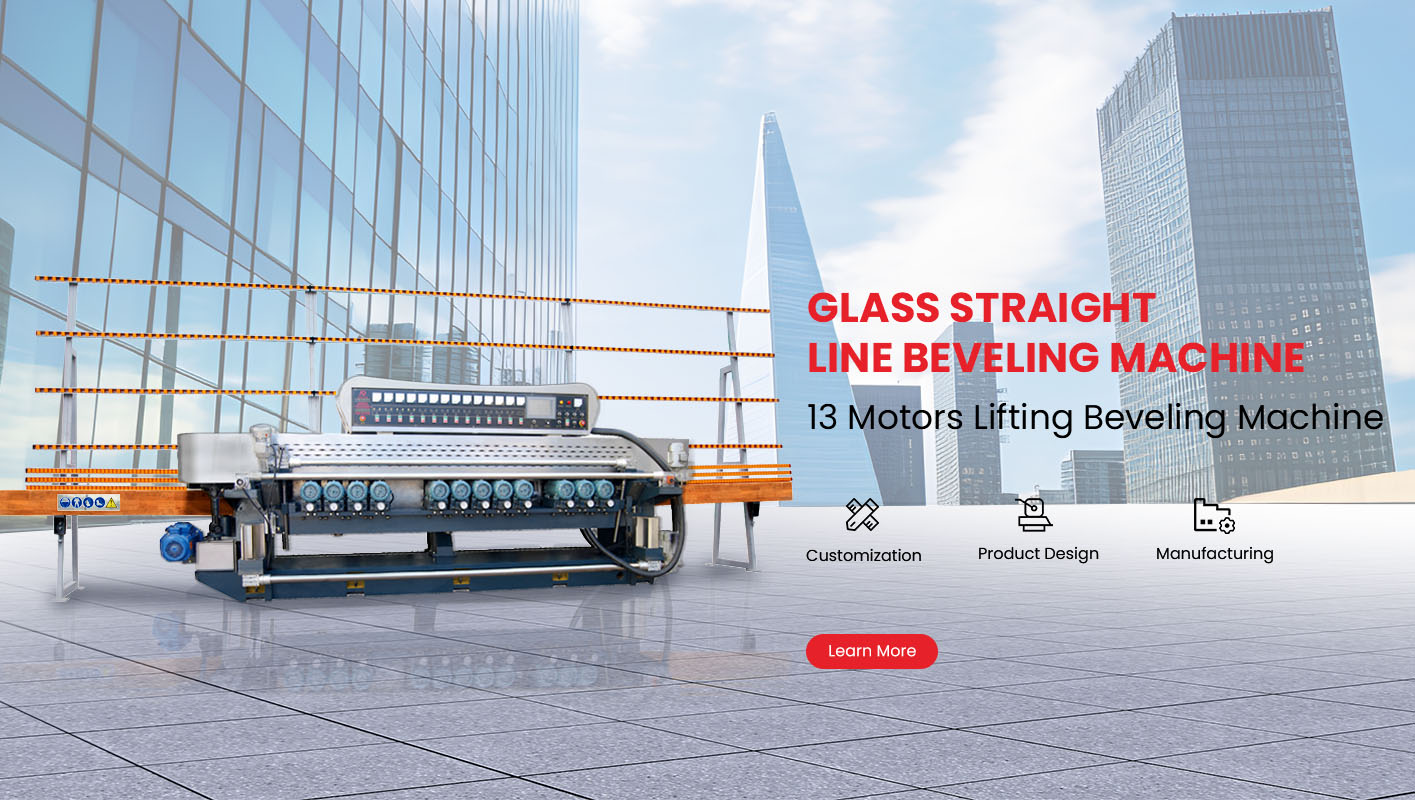
Many glass factories ask about machine lifespan before purchasing because edging equipment is not a short-term tool. It affects daily output, edge quality, operator workload, maintenance cost, and the stability of long-term production.
Glass factories are under pressure to deliver faster, more consistent, and more customized products while controlling labor cost. Manual cutting, loading, edging, drilling, sorting, and inspection can still work for small workshops, but when order volume increases, every manual step creates delay, handling risk, and quality variation.
Glass fabrication is moving from manual operation to digital control because modern glass products need cleaner edges, accurate holes, stable shapes, and repeatable quality across large orders. A CNC glass processing machine is a digitally controlled machine used to cut, grind, drill, mill, polish, or shape glass according to programmed drawings.
The evolution of glass processing machinery has led to the development of both manual glass machines and automatic glass machines. Each type offers distinct advantages and challenges depending on the specific needs of a glass processing operation.
Efficiency in glass processing is crucial for reducing costs, minimizing waste, and increasing production output. Optimizing various stages of the glass processing line—from cutting and edging to finishing—can make a significant difference in both product quality and overall throughput.
Glass edging machines are an essential part of glass fabrication, used to smooth and shape the edges of glass products. While these machines are highly effective in achieving precise, smooth edges, they are not immune to issues that can affect production quality.
Laminated glass is a popular choice in both the construction and automotive industries due to its ability to provide safety, sound insulation, and enhanced durability. The laminated glass process involves bonding two or more layers of glass together with a plastic interlayer, typically made from polyvinyl butyral (PVB) or ethylene-vinyl acetate (EVA).
The global glass drilling machine market continues to expand as demand for precision glass components rises across construction, automotive, furniture, and electronics industries. Recent industry analysis places the market value in the billions of USD, with forecasts showing steady growth driven by automated solutions and precision drilling needs.
A complete glass workshop is not built around a single machine. It is defined by how multiple processes connect, how material flows from raw sheet to finished product, and how each step maintains quality without slowing production. In modern factories, a well-planned glass processing line determines output efficiency, defect rate, and delivery reliability.
Supplier selection has a direct impact on production stability, product quality, and long-term cost control. In the global glass machinery industry, equipment is not only a capital investment but also a foundation for process consistency and delivery reliability.
Safety, durability, and multifunctional performance have become standard expectations in modern glass applications. From architectural facades to automotive windshields, laminated glass plays a central role in meeting these demands. Industry reports show that laminated glass usage continues to grow steadily...
Hole accuracy is a critical factor in modern glass manufacturing. From architectural fittings to appliance panels, from shower enclosures to curtain wall assemblies, drilled holes determine how glass integrates with metal hardware, fasteners, and structural systems.