info@gdaddtech.cn
+86-18566873215



Maintaining a glass edge grinder is the fastest way to protect product quality, extend machine life, and reduce unplanned downtime. The guidance below is written for straight-line edging machines, pencil/45° edging, irregular edge grinders, and complete edging lines common in architectural, appliance, shower, and furniture glass production. It references best practices alongside characteristics of ADDTECH’s edging machines so you can align routines with the equipment used on your line.
The cadence below balances consumable wear with lubrication, coolant care, alignment, and safety housekeeping proven to keep edging lines stable.
Dry cleaning and wash-down Blow off and vacuum glass dust from guards, spindles, conveyors, sensors, and electrical cabinets. Wipe casings with a soft cloth and mild detergent to prevent cutting sludge from hardening on painted surfaces. Avoid forcing water into bearings and motors.
Coolant check Top up to the prescribed level, skim floating fines, and verify flow to each spindle and wheel. Check that spray nozzles are not clogged; mis-spray accelerates wheel glazing and edge chipping.
Lubrication touch points Lightly oil exposed metal and wipe slides/ways that are not on centralized lube to prevent corrosion after wash-down.
Safety and operation walk-around Test E-stop circuits, guards, and light curtains. Confirm conveyor belts and reference rails are clean, aligned, and free of glass shards.
Coolant system hygiene Clean strainers, flush sump dead zones, brush out nozzle tips, and verify return lines are unobstructed. Poor flow reduces edge quality and overheats wheels.
Drive train and conveyor Inspect belts, chains, and gears for tension and wear; check feeder and exit conveyors for synchronized speed and parallelism to avoid wedge-shaped stock removal.
Wheel condition Dress glazed diamond wheels and re-profile polishing wheels; confirm grit sequence still matches your recipe for roughing, finishing, and polishing passes.
Full coolant replacement and tank cleaning Drain, remove sludge, clean the sump and baffles, and recharge with fresh coolant at the specified concentration and pH. Stable chemistry improves wheel life and surface finish.
Reducer/gearbox oil inspection Check levels and condition per the nameplate; change oil at the stated hour interval and grease reducer bearings on schedule to prevent overheating.
Alignment and calibration Verify glass support rails, reference rulers, and spindle centers. On straight-line machines with multiple motors, confirm each head’s position and angle so the rough/fine/chamfer/polish sequence removes stock evenly in one pass.
| Component | Action | Interval | Notes |
|---|---|---|---|
| Slide plates/ways | Light machine oil | Daily–Weekly | Prevent stick-slip and corrosion after wash-down. |
| Front/side conveyors | Light oil or OEM spec | Weekly | Clean first to remove abrasive fines. |
| Mechanical step-less reducer | Specified gear oil | ~1,000 hours | Monitor level to avoid high oil temperature. |
| Reducer bearings/gears | Grease | ~3,000 hours | Use grease grade per reducer manual. |
Always follow the plate/manual on your specific ADDTECH model for grades and volumes.
Concentration and pH Maintain the coolant at the recommended concentration to balance lubrication, heat removal, and corrosion protection. Check pH; out-of-range values attack machine metals and degrade wheel bond.
Flow and coverage Set flow to each wheel so the contact zone is fully flooded. Inadequate flow causes micro-chips and burns; over-flow wastes fluid and can sling fines onto sensors.
Filtration Use strainers and settling to remove fines; purge sludge from the lowest points weekly and perform monthly sump cleanouts in high-volume production.
Selection and sequence Pair your ADDTECH straight-line grinder’s rough, fine, chamfer, and polish heads with a wheel recipe that matches thickness and edge spec, especially on multi-motor lines.
Dressing and de-glazing If the edge shows haze or burning, or if motor load rises, dress the wheel to open the diamond surface. A glazed wheel worsens chipping and raises heat.
Change-out criteria Replace wheels when diameter or profile reaches the maker’s minimum or when excessive vibration persists after dressing.
Rail parallelism and glass squareness Ensure entrance and exit reference rails are parallel; skew forces the glass to “crab,” over-loading outer heads and producing tapered removal.
Spindle angles and heights Verify each head’s attack angle and height—especially chamfer heads—so material removal is balanced across the sequence the machine is designed to complete in a single pass.
Conveyor synchronization Match feed speed with wheel specification and glass thickness to maintain target chip-load. On edging lines, coordinate transfer tables to avoid shocks between modules.
For irregular edge machines that use vacuum suction plates and rotary tables, add the following:
Vacuum integrity: Inspect cups, lines, and gauges; leaks cause drift and inconsistent edge geometry.
Rotary drive: Check turntable backlash and speed regulation to maintain a uniform feed around curves and ovals.
Pre-start: coolant level and pH; nozzles clear; wheels intact and torqued; guards/E-stops OK.
During run: listen for new vibration; watch amp load trends; check edge brightness and chip size.
End-of-shift: clean, dry, oil exposed metal; empty strainers; log hours for the next reducer oil change.
| Symptom | Likely Cause | Corrective Action |
|---|---|---|
| Edge chipping at entrance/exit | Inadequate coolant at first/last heads; misaligned rails | Clear nozzles, raise flow, re-square rails. |
| Hazy edge or burn marks | Glazed diamond wheel; low coolant concentration | Dress wheel; restore coolant mix and pH. |
| Tapered removal across width | Conveyor or rail misalignment | Re-align entrance/exit rails and verify spindle heights. |
| Vibration or chatter | Worn bearings/wheels; sludge on conveyors | Replace worn parts; clean and re-balance. |
| Frequent nozzle clogging | Poor filtration; sump sludge | Upgrade strainer routine; schedule full sump cleanout. |
Diamond wheels for rough, fine, chamfer profiles; cerium or resin polishing wheels matched to your edge spec.
Coolant concentrate and test strips for concentration and pH.
Nozzles, strainers, conveyor belts, reducer oils/greases confirmed against your ADDTECH model’s manual or nameplate.
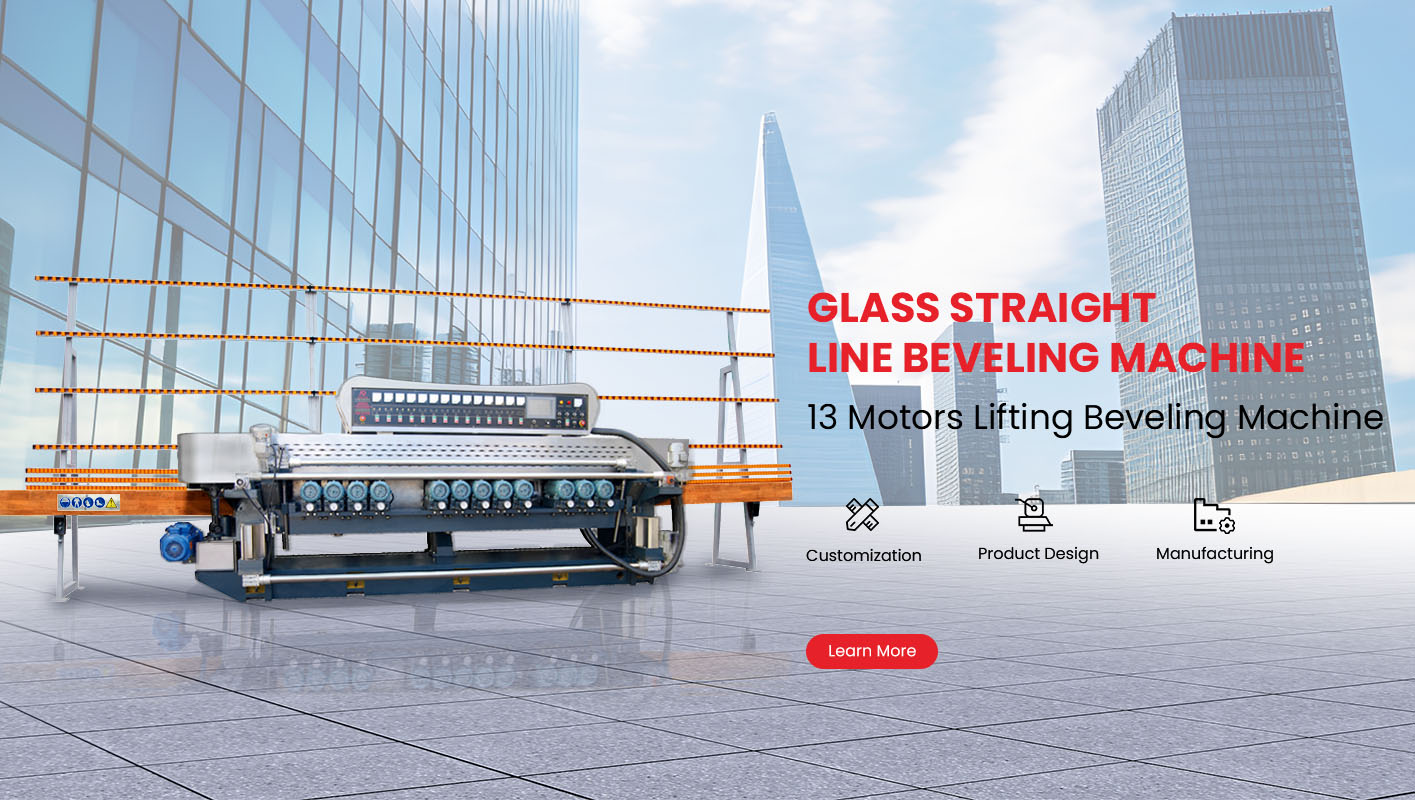
ADDTECH manufactures straight-line edging machines with 11–12 motor configurations that complete rough grinding, fine grinding, chamfering, and polishing in one pass. Match your maintenance plan to the specific heads installed, and coordinate transfer tables when operating a multi-module edging line so cleaning and lubrication windows can be staggered without halting upstream production.
| Date | Machine/Module | Hours | Coolant pH/Conc. | Wheels Dressed/Changed | Lubrication Tasks | Alignment Checks | Issues & Actions | Tech |
|---|
Keep the log near the HMI and require operators to initial entries. Logs speed root-cause analysis and support warranty claims.
Short stops: Clean, oil slides, and cover exposed ways.
Long storage: Drain coolant, coat bare metal with anti-corrosion oil, and rotate spindles monthly by hand to distribute lubricant. Recommission by flushing coolant circuits, re-greasing reducer bearings on schedule, and re-checking spindle alignment before production.
Train all operators on proper dressing technique, coolant handling, and lockout/tagout.
Replace cracked guards immediately and maintain clear signage and lighting at the entrance/exit zones of straight-line lines and transfer tables.
Refresh training after any process change or new wheel recipe.
A disciplined routine—daily cleaning and lubrication, weekly coolant hygiene and conveyor checks, monthly sump service and reducer oil changes, plus periodic alignment—keeps glass edge grinders running at consistent edge quality with fewer stoppages. Align the plan with your ADDTECH model’s heads and transfer configuration, maintain coolant chemistry, and enforce an operator checklist and maintenance log to lock in repeatable performance.